Modernized a Legacy Monolithic FinTech Application to Microservices

Application Migration & Modernization for a FinTech Platform

In complex financial operations, monolithic transaction platforms can become significant operational risks as transaction volumes increase and regulatory requirements intensify. A U.S.-based financial services organization relied on a legacy system supporting payments, reporting, and account staging. As volumes grew, the tightly coupled architecture became increasingly difficult to scale and modify. Release cycles slowed, operational visibility declined, and reporting workloads interfered with real-time transaction processing during peak periods, making routine updates risky.

To address these challenges, the client partnered with Rishabh Software to modernize the legacy monolithic application to microservices using a cloud-native architecture, enhance resilience, enable faster, safer releases, and establish a scalable foundation for continuous delivery.


Capability

Application Modernization

Industry

FinTech

Country

United States

Key Features

With a clear vision for sustainability and faster go-to-market cycles, the FinTech organization set out to transform its legacy financial platform into a modern, microservices-driven technology infrastructure. As part of comprehensive application modernization services, we re-architected the entire application into modular financial operations with the following key features:

Modular Financial Processing Services

It reduces release risk, enables faster feature delivery, and allows teams to enhance individual financial functions without disrupting the entire platform by implementing decoupled workflows.

Asynchronous Reporting Engine

Enables uninterrupted transaction processing while large financial reports run in the background, helping operations teams meet compliance deadlines without slowing down payment workflows during peak periods.

Multi-Tenant Client Management

Supports multiple client environments with secure data separation and configurable rules, making it easier to onboard new customers, manage diverse requirements, and scale the platform without added operational complexity.

Intelligent Payment Scheduling

Automates payment execution using configurable business rules and schedules to ensure accurate processing, reduce manual effort, and maintain predictable cash flow across client operations.

Real-Time Operational Visibility

Provides live system updates across user interfaces and downstream services, allowing teams to proactively monitor processing status, quickly identify exceptions, and reduce resolution times.

Cloud-Based Elastic Scalability

Automatically adjusts system capacity based on transaction volume, ensuring consistent performance during demand spikes while optimizing infrastructure costs during lower-activity periods.

Challenges

Tightly coupled financial workflows made even small changes risky. Payment scheduling, trust processing, reporting, and account staging were all interconnected, so updates in one area often slowed down business delivery.

During peak payment periods, the platform struggled to keep up with the transaction volumes. With no way to scale services independently, performance dipped, and support teams had to manage the resulting operational stress.

Reporting and reconciliation workloads were competing with real-time transactions, leading to slowdowns in payment processing and delays in compliance reporting during peak transaction periods.

Deployments were handled manually with very little automation, which slowed down releases and increased mistakes. This made it harder to roll out updates or meet new regulatory requirements quickly.

Limited operational visibility made it hard for teams to track processing status, identify bottlenecks, and respond proactively to failures, resulting in longer resolution times and inconsistent service levels.

Solutions

Rishabh Software’s modernization effort, focused on migrating from monolith to microservices, helped build a more reliable and scalable foundation for the client’s core financial operations across multiple areas. This modernized solution shifted deployments from risky and expensive changes to a simpler, more controlled release process.

Incremental Monolith Decomposition

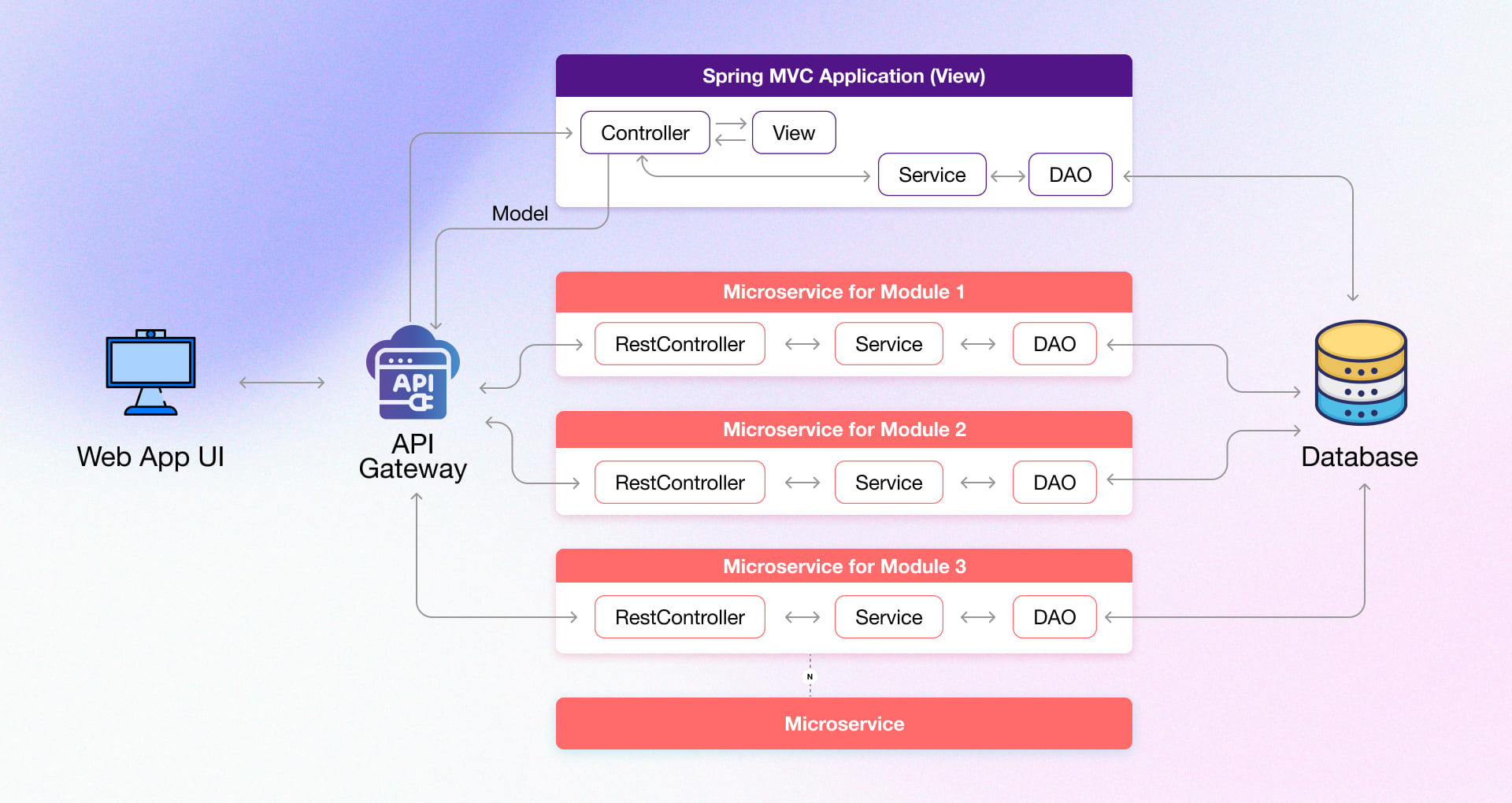
Our team progressively broke down the legacy application into domain-aligned services so payment processing, trust workflows, account staging, and reporting could run independently. This helped reduce release risk, made changes easier to roll out, and allowed enhancements to be delivered without interrupting active financial transactions.

Cloud-Native Platform Engineering

Our development team moved transaction-heavy services to a cloud-native setup to support scaling during peak payment cycles. This ensured consistent performance while improving availability across both client-facing and back-office systems, giving operations teams a more reliable platform to work with.

API-Led Architecture Implementation

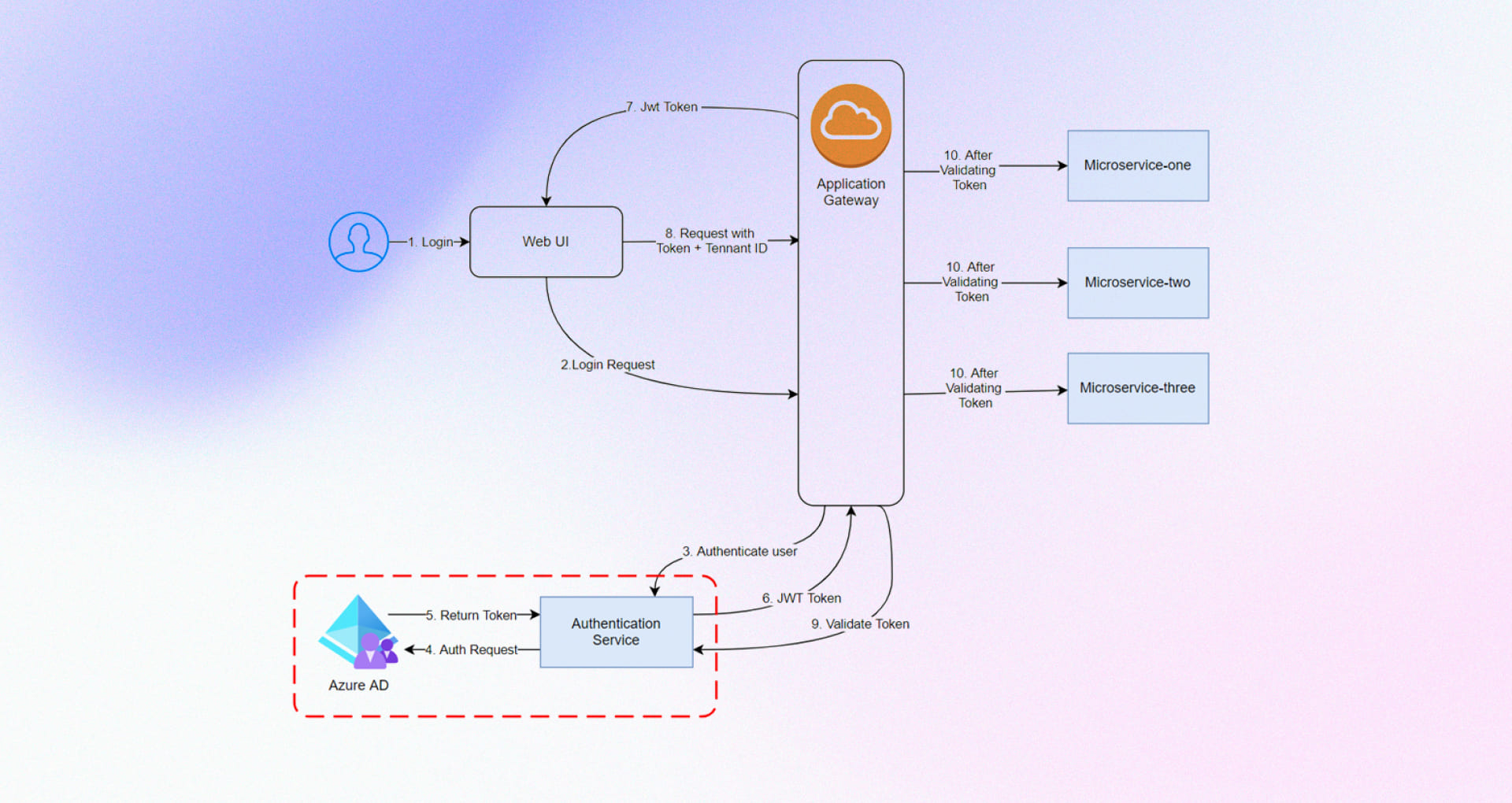
We introduced a centralized integration layer to standardize application access to financial services. This simplified connectivity across systems and created a strong foundation for onboarding new clients, extending platform capabilities, and supporting regulatory changes.

Event-Driven System Design

To prevent reporting and background jobs from slowing down real-time payments, our experts implemented Azure Service Bus for asynchronous processing. This separated long-running tasks from transactional workflows, improving overall system responsiveness.

DevOps Automation and Infrastructure as Code

Our team automated infrastructure provisioning using Terraform and set up CI/CD pipelines with GitHub Actions and Jenkins. This reduced manual effort, improved deployment consistency, and helped deliver updates faster and more reliably.

Performance & Data Engineering Optimization

Our team optimized transaction and reporting pipelines using Spring Batch with virtual threads, streamlined data flows between MongoDB and MySQL, and added Redis caching to reduce database load. These improvements sped up processing and provided better operational visibility across financial workflows.

Outcomes

0 %

Faster release cycles

0 %

Lower deployment effort

0 %

Faster reporting turnaround

Technologies Used

Java 25
Spring Boot
Spring Batch
Spring Security
Hibernate-1
Azure Service Bus
MySQL
MongoDB
Redis Cache
WebSocket
Spring WebClient
Docker
Azure App Service
Jenkins-13
Terraform
SonarQube
Aikido Security

Project Snapshots

Recent Case Studies

Optimize your cloud infrastructure, implement robust solutions, and stay ahead of trends with our resource hub.