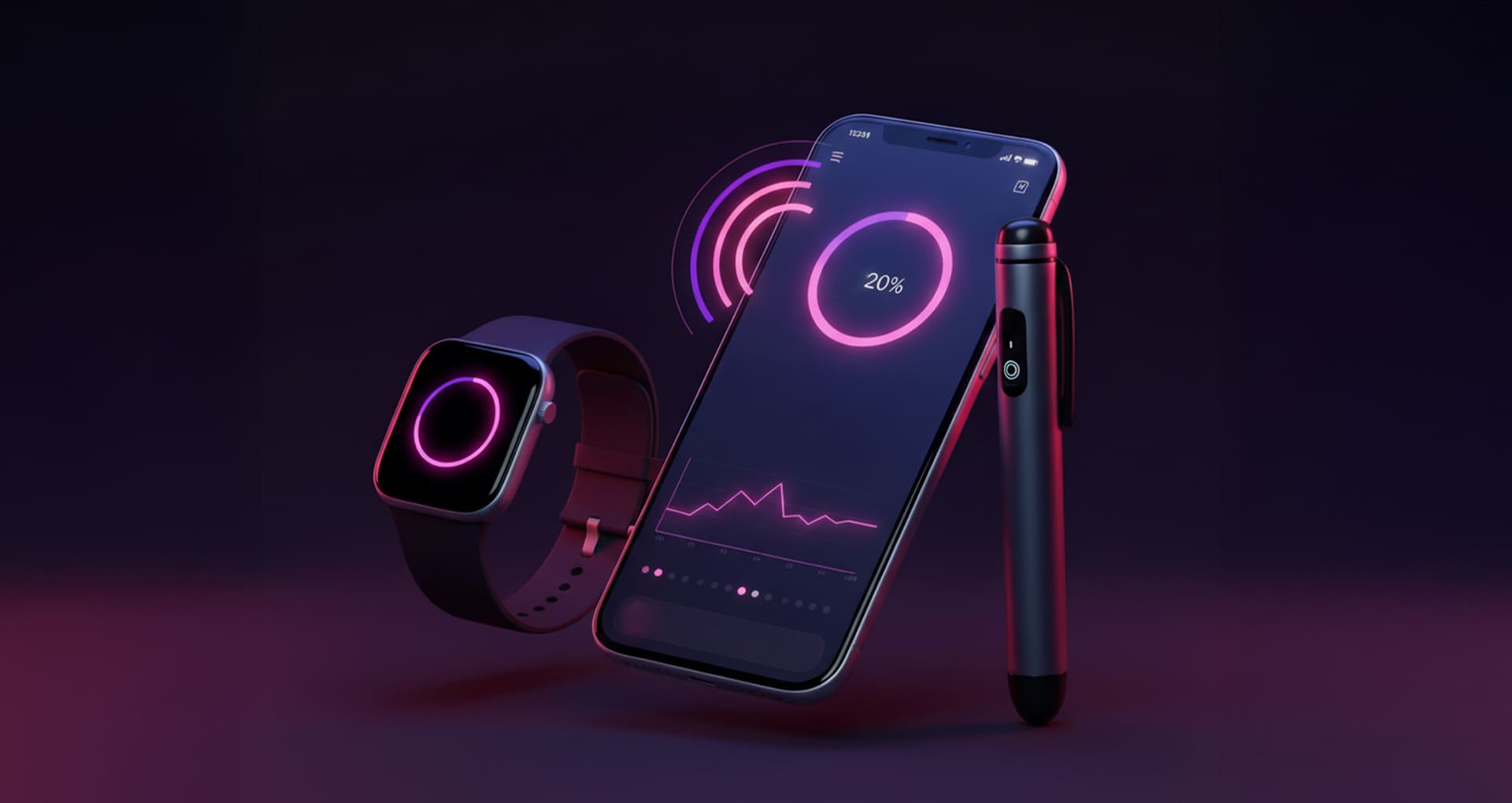
NFC-Enabled Cross-Platform Smart Insulin Pen App Development with Flutter
Digitizing insulin pen data management with Flutter and native SDK integration
A Denmark-based healthcare organization partnered with Rishabh Software to deliver a cross-platform smart insulin pen app with Flutter. The goal was to unify NFC device scanning and dosage synchronization in a single mobile app, replacing multiple native builds.
As a leading Flutter app development company, our team created a scalable solution that streamlined insulin data handling. The solution validated Flutter’s readiness for regulated healthcare apps and strengthened the client’s internal case for expanding smart-device initiatives.
The smart insulin pen app development initiative also incorporated NFC-enabled Integration, supported by robust documentation, error handling, and automated build processes to ensure seamless usability.
Capability
Mobile App Development
Industry
Healthcare
Country
Denmark
Key Features
We developed a cross-platform smart insulin pen app using Flutter, which enabled seamless synchronization and simulation of medical device data. The solution was designed to simplify complex workflows while ensuring scalability, usability, and maintainability. Key features of the solution include:
NFC-Enabled Insulin Pen Integration
Our team implemented NFC-based device scanning for direct, real-time device connectivity. This integration improved accuracy of dosage capture and reduced manual logging errors.
Simulator-Driven Workflow Testing
To support development and testing, we built a simulator-driven workflow that replicates key app functionalities without requiring native SDKs or hardware. This allowed for rapid iteration, demonstration, and validation, ideal for early-stage development and client reviews.
Real-Time Dose Log Preview
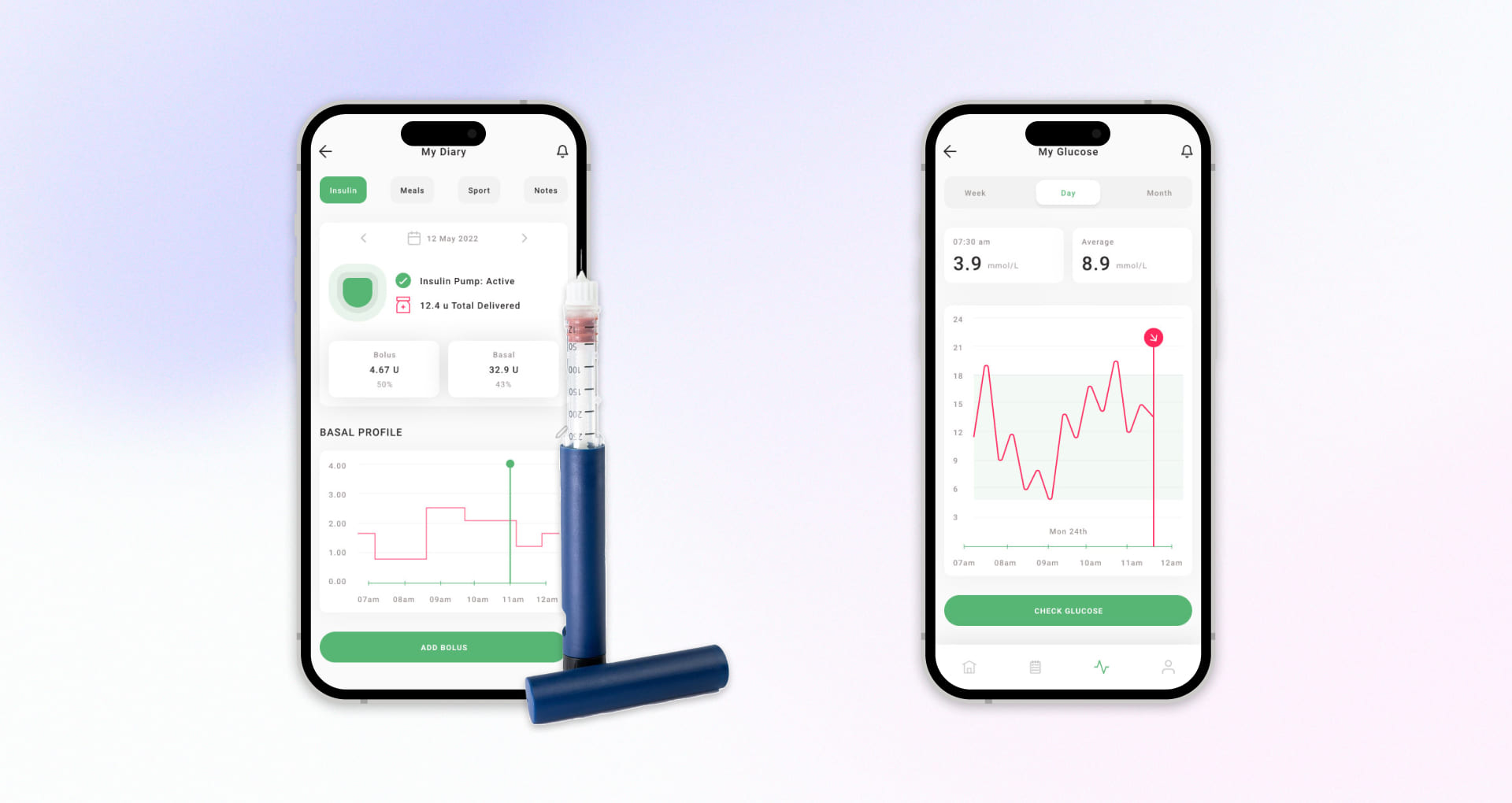
We introduced a dedicated module to preview the device dosage history in real time, allowing users to review past insulin doses easily. This feature empowered users to make informed decisions and improved overall smart insulin pen app usability.
Multi-Flavored Build Setup for Global Scalability
We enabled a multi-flavored build setup to support localization and deployment across different environments. This made the insulin pen adaptable for future international expansion and varied clinical use cases.
Challenges
Frequent changes to the native SDK and simulator disrupted development schedules and risked integration failures.
Limited availability of updated simulator builds slowed workflow validation and feature testing.
Lack of a self-service build process forced dependence on external help for generating app bundles/IPAs.
Sparse error monitoring increased the chance of undetected bugs during real-world usage.
Shifting requirements and fragmented communication created alignment gaps and delayed approvals.
Solutions
We designed and developed a cross-platform smart insulin pen app built with Flutter and guided by clean-architecture principles. The goal was to streamline the synchronization of sensitive medical device data. This enabled the client to independently demo the workflow to senior stakeholders, accelerating buy-in for future digital insulin delivery solutions. To accomplish this, our team executed these key initiatives:
End-to-End Workflow Enablement
Engineered an end-to-end workflow covering device selection, scanning, dosage tracking, and log preview. By simulating these functions, the solution allowed seamless demonstrations of the process without requiring a physical device or SDK dependencies.
Flutter Plugin Development and SDK Integration
Our team created a dedicated Flutter plugin to interact with the native SDK while also building a mock platform implementation. This dual approach enabled both real-time device connectivity and SDK-independent simulation, ensuring uninterrupted development and testing.
Scalable App Architecture with Error Handling
We implemented a BloC pattern-based architecture supported by localization, flavor setup, and Firebase Crashlytics. This ensured scalable, maintainable code with strong error handling, real-time logging, and monitoring capabilities. We also Incorporated secure data flows, anonymized logs, and environment-specific builds to make the solution easily adaptable to future HIPAA/GDPR compliance audits.
CI/CD Automation for Future Releases
To streamline the ongoing development of the cross-platform smart insulin pen app, we integrated a robust CI/CD pipeline. This automation reduced manual effort, improved release efficiency, and ensured smoother version rollouts for future app enhancements.
Outcomes
demonstrable proof of concept without device dependency
faster release cycles through CI/CD automation
improvement in developer self-sufficiency with independent build setup
Technologies Used



Project Snapshots

Recent Case Studies
Optimize your cloud infrastructure, implement robust solutions, and stay ahead of trends with our resource hub.