Choosing the right DOOH platform involves more than understanding its features. You might have questions about how it handles inventory management, programmatic transactions, audience targeting, campaign execution, reporting, and integrations with your existing AdTech ecosystem.
During product demos and conversations with prospects for our OOH and DOOH Aggregator Platform, we have come across several questions. Some focus on specific platform capabilities, while others address broader technical and operational considerations involved in building, integrating, or scaling a DOOH solution.
To make these discussions more accessible, we have compiled 16 frequently asked questions about DOOH platforms, along with practical answers based on our experience in the AdTech ecosystem. From understanding DSP and SSP integrations to managing screen inventory, verifying campaign delivery, and streamlining billing, these questions cover key considerations when evaluating a DOOH platform.
The questions are grouped into five key areas to help you explore different aspects of a DOOH platform, from campaign planning and inventory management to performance measurement and technical considerations. Let’s get into the questions and answers!
Campaign Strategy and Audience Intelligence
Q1. How is AI used to improve DOOH campaign planning, targeting, and optimization?
A. AI improves DOOH campaign planning, targeting, and optimization by analyzing audience movement, location intelligence, historical campaign performance, and real-time contextual data to make advertising decisions more precise and efficient.
Across the campaign lifecycle, AI supports three key areas:
- Campaign planning: Analyzes audience traffic patterns, identifies high-potential screen locations, and recommends suitable time slots based on campaign objectives.
- Audience targeting: Uses aggregated audience insights, weather, location, and contextual signals to display relevant advertisements without relying on individual-level tracking.
- Campaign optimization: Analyzes campaign delivery and performance data to recommend bid adjustments, budget reallocation, and creative changes. The level of automation depends on the DOOH platform’s capabilities.
For example, a retail brand can use AI-driven insights to identify screens near high-footfall shopping areas, schedule advertisements during peak hours, and adjust placements based on campaign performance.
Q2. How do audience and location signals inform DOOH targeting decisions?
A. DOOH platforms use audience signals such as foot traffic, demographic estimates, and dwell time, along with location data such as venue types, traffic patterns, and peak activity hours. By combining these insights with screen inventory and campaign scheduling, advertisers can identify locations where their target audiences are more likely to be present, select relevant screens, determine suitable ad timings, and allocate budgets based on estimated reach.
For example, a retail brand looking to reach shoppers can prioritize screens near shopping malls and high-footfall retail areas, using audience movement patterns and peak activity hours to plan its campaign placements.
Q3. How can DOOH campaigns deliver relevant messages without relying on individual-level personalization?
A. DOOH campaigns can deliver relevant messages through contextual targeting, which uses information about the surrounding environment rather than relying on individual-level tracking. These context signals can include the time of day, screen location, nearby audience movement, local events, weather conditions, and other relevant real-time inputs.
Dynamic Creative Optimization (DCO) uses these signals to select and display suitable creatives from a set of pre-approved advertisements. This allows advertisers to adapt their messaging to the context around a screen without identifying individual viewers.
For example, a retailer can display ads for raincoats and umbrellas on screens in areas experiencing rainfall. The same retailer can prioritize screens near shopping malls during peak weekend hours to reach more shoppers.
Programmatic Buying and Creative Execution
Q4. How can media owners maintain pricing control and inventory transparency across direct and programmatic DOOH transactions?
A. Media owners can maintain pricing control and inventory transparency by using a centralized DOOH inventory management platform that connects direct sales channels with programmatic supply-side platform. The platform should support:
- Dynamic floor pricing: Set minimum bid prices based on screen location, audience demand, time slots, and inventory value.
- Inventory allocation rules: Prioritize guaranteed direct bookings and make remaining eligible inventory available for programmatic buying.
- Real-time inventory visibility: Synchronize screen availability, reservations, and campaign schedules to prevent double bookings.
- Unified reporting: Track pricing, booked inventory, delivered impressions, and revenue across both sales channels.
- Transaction-level audit trails: Record bid prices, winning transactions, fees, and proof-of-play data to identify revenue discrepancies
Q5. How do DSPs fit into the DOOH ecosystem, and what capabilities should buyers evaluate?
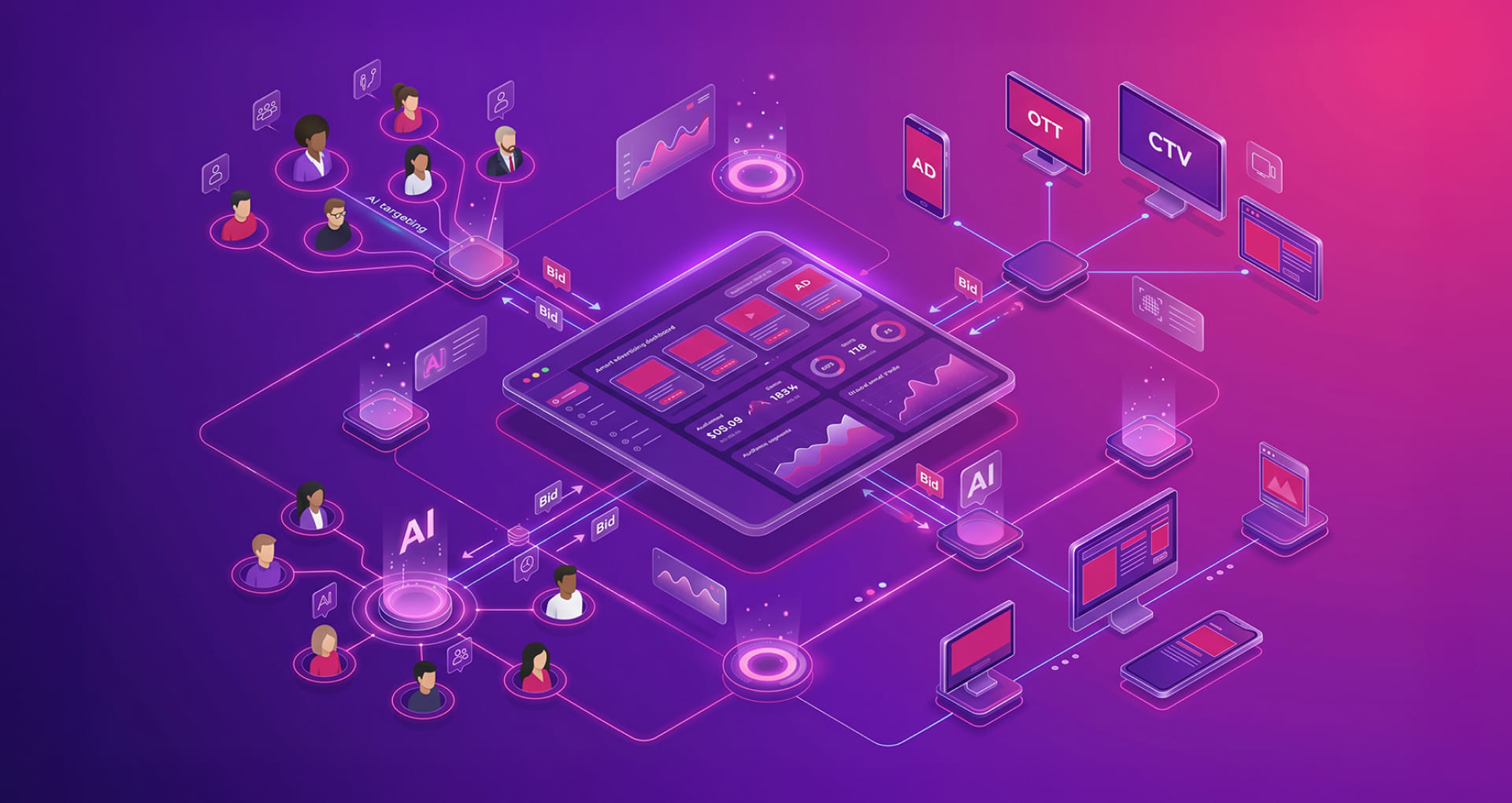
A. Demand-Side Platforms (DSPs) connect advertisers with DOOH inventory available through Supply-Side Platforms (SSPs), automating screen selection, bidding, targeting, and campaign execution across multiple networks.
When evaluating a DOOH DSP, buyers should consider:
- Inventory access: Multiple screen networks, locations, and inventory types.
- Audience targeting: Support for location, footfall, and contextual data to reach relevant audiences.
- Programmatic buying: Support for real-time bidding and private marketplace deals.
- Creative optimization: Dynamic content capabilities and compatibility with different screen formats and media players.
- Measurement: Support for DOOH audience measurement, including estimated impressions, audience reach, proof-of-play, and campaign performance reporting.
- Integration: Connectivity with SSPs, APIs, and OpenRTB to support programmatic transactions across the DOOH ecosystem.
Q6. How do real-time triggers and dynamic creative change DOOH advertising content?
A. Real-time triggers and dynamic creative allow DOOH advertisements to go beyond fixed, pre-scheduled content and respond to changing conditions. DOOH platforms can use real-time data feeds such as weather updates, traffic information, and sports results along with Dynamic Creative Optimization (DCO) engines to update ad content automatically based on predefined rules and conditions.
For example, a food delivery service can display advertisements for warm drinks during rainy or cold weather and promote cold drinks when temperatures rise. These changes depend on the availability of relevant data feeds, pre-approved creative assets, and the capabilities of the DOOH platform and connected media players.
Q7. How can DOOH campaigns be coordinated with other marketing channels to improve reach and attribution?
A. DOOH campaigns can be coordinated with mobile, social media, Connected TV (CTV), and display advertising through integrated AdTech platforms. This allows advertisers to align audience segments, campaign schedules, and messaging across channels. By using shared geographic and audience data, advertisers can extend campaign messaging across digital platforms and reach audiences through multiple touchpoints.
DOOH platforms can also integrate with attribution and analytics systems to measure campaign impact across channels. These systems support measurement methods such as brand lift studies, footfall analysis, geo-based incrementality testing, and offline-to-online conversion tracking.
These methods help advertisers understand how DOOH contributes to overall campaign performance without requiring every screen exposure to be linked to an identifiable individual.
Inventory and Campaign Operations
Q8. How can operators monitor campaign delivery and handle screen outages across distributed DOOH networks?
A. Operators can monitor campaign delivery and manage screen outages using centralized DOOH management platforms integrated with IoT monitoring, remote diagnostics, and automated proof-of-play tracking. These platforms provide visibility into screen health, campaign status, and playback activity across distributed networks.
Key capabilities include:
- Centralized dashboards: Track screen uptime, campaign status, and playback logs across multiple locations.
- Automated alerts: Detect offline screens, playback failures, and connectivity issues so operators can respond quickly.
- Remote diagnostics: Identify and troubleshoot media player or network problems without requiring on-site intervention for every issue.
- Proof-of-play verification: Record playback timestamps and confirm whether scheduled advertisements were played.
- Campaign recovery: Reschedule missed ads or redirect campaigns to available screens, subject to inventory availability and campaign rules.
Q9. How should creative assets be validated and delivered across different DOOH screen formats and media player systems?
A. DOOH platforms can streamline creative validation and delivery through a three-step process:
- Validate: Check resolution, aspect ratio, file format, video duration, and content compliance against each screen’s requirements.
- Adapt: Resize or convert creatives to match different screen orientations and media player specifications.
- Deliver: Distribute approved assets through connected Content Management Systems (CMS) and verify playback using media player logs.
Q10. How can you bring static billboards and digital screens together in one intelligent inventory ecosystem?
A. A DOOH aggregator platform brings information about static billboards and digital screens together in one centralized system. By integrating with existing systems, it provides visibility into inventory availability, predefined pricing, and booking schedules.
The platform can manage fixed booking schedules for static billboards alongside flexible scheduling for programmatic DOOH campaigns. This helps media owners and operators make informed inventory decisions, prevent double bookings, reduce the risk of revenue loss, and maintain visibility across their OOH and DOOH inventory.
Measurement and Commercial Accountability
Q11. Which metrics should advertisers use to evaluate DOOH campaign performance and business impact?
A. Evaluation is a basic right of advertisers. Advertisers can measure DOOH campaign performance by looking at two things: how well the ads were delivered and what results they brought to the business.
- Ad delivery: Screen uptime, proof-of-play, and number of ads displayed.
- Audience reach: Estimated impressions, reach, frequency, and CPM.
- Audience engagement: Dwell time, QR code scans, and website visits.
- Business impact: Brand awareness, store visits, footfall uplift, conversions, and sales lift.
With a DOOH platform that connects campaign reporting and analytics, advertisers can track these metrics in one place. This helps them see whether ads ran as planned, how many people they are likely to reach, and whether the campaign made a difference to business results.
Q12. How can advertisers verify ad delivery and reconcile booked, delivered, and billed campaigns across networks?
A. A centralized DOOH platform can bring booking records, proof-of-play data, and billing information from multiple networks into one place. Automated reconciliation helps identify missed ad plays, reporting differences, and incorrect charges by matching actual delivery against agreed campaign terms. This gives advertisers clear visibility into what was delivered, what remains unfulfilled, and what should be billed.
Q13. How can media owners and agencies eliminate manual invoicing and gain complete financial visibility across every OOH and DOOH campaign?
A. Media owners and agencies can streamline invoicing through a centralized OOH and DOOH platform integrated with their accounting and ERP systems. This brings campaign bookings, agreed pricing, proof-of-play data, billing records, and payment information together, reducing the need for manual data entry and reconciliation.
The platform can automate invoice generation based on campaign delivery records and agreed billing terms. It can also help identify billing discrepancies, track outstanding invoices, and provide a consolidated view of revenue and payments.
Financial dashboards can give media owners and agencies visibility into campaign profitability, billing status, and payments across static and digital media.
Platform Architecture, Integration, and Compliance
Q14. What integrations and architectural capabilities does a DOOH platform need to support multiple networks and buying models?
A. A DOOH platform needs an API-driven, modular architecture to connect with multiple systems, including SSPs, DSPs, ad servers, audience measurement tools, and other AdTech platforms. This allows different networks and systems to exchange data and work together without creating complex integration dependencies.
Another important requirement is support for OpenRTB and compatibility with the protocol versions and extensions used by connected DSPs and SSPs. This helps streamline programmatic transactions while supporting direct media bookings through the same platform.
The platform should also offer flexibility in configuring data synchronization, pricing rules, campaign scheduling, and inventory management. Integrations with payment gateways, accounting systems, and other business applications can further support commercial and operational workflows.
Q15. How should DOOH platforms manage data access, consistency, and security across media owners, agencies, and advertisers?
A. DOOH platforms should use role-based access controls (RBAC) to manage data access across media owners, agencies, and advertisers. These controls ensure that each stakeholder can access only the information and features permitted by their assigned roles and permissions.
Standardized APIs, data validation, and regular synchronization help maintain consistency across inventory records, bookings, and campaign reports. For security, platforms should use data encryption, secure authentication methods such as multi-factor authentication (MFA), and audit logs. These measures help protect sensitive information from unauthorized access and maintain records of user activities and changes made across the platform.
Q16. What regulatory, privacy, and location-specific requirements should businesses consider when operating DOOH campaigns?
A. To operate DOOH campaigns across different locations, businesses need to consider three major areas: data privacy, local advertising regulations, and screen safety requirements.
- Data privacy: Follow applicable laws such as GDPR and CCPA/CPRA when collecting or processing personal data, including device identifiers and location data.
- Local regulations: Check advertising permits, restricted product categories, and venue-specific content rules.
- Screen safety: Follow local requirements for brightness, animation, display timing, and audio.
A DOOH platform should support location-based compliance rules, creative approvals, and data protection controls to help businesses manage these requirements across different markets.
Make an Informed Decision About Your DOOH Platform
DOOH platform requirements can vary depending on your business model, advertising operations, inventory, and integration needs. This blog post covers common considerations when evaluating, building, or scaling a DOOH solution.
With over two decades of experience in AdTech, we at Rishabh Software help businesses develop and modernize advertising technology platforms. Our experience spans AdTech development services, including SSPs, DSPs, programmatic CTV solutions, ad servers, and ad exchange platforms. We bring together cloud and backend engineering, user-focused interfaces, quality assurance, and end-to-end product development to support evolving AdTech requirements.
Looking to explore our DOOH Aggregator Platform? Get in touch with our team at sales@rishabhsoft.com to request a demo and discuss your requirements.