
Out-of-home advertising was once relatively convenient to manage. Static billboards followed fixed booking cycles, long-term placements, and predictable execution workflows.
The rise of Digital Out-of-Home (DOOH) changed that model. Campaigns now involve live scheduling, rotating creatives, dynamic content delivery, programmatic buying, and real-time updates. At the same time, advertisers increasingly expect static and digital inventory to work together within a single media plan instead of operating as separate channels.
For media owners and agencies, this shift has introduced new operational complexity. Static inventory is often managed through spreadsheets, emails, or basic workflow tools, while DOOH inventory sits across CMS platforms, scheduling systems, and disconnected reporting environments.
The global OOH, DOOH, and programmatic DOOH market is projected to grow from USD 22.51 billion in 2026 to USD 56.1 billion by 2034, forcing media businesses to rethink how they manage inventory, campaign workflows, and hybrid OOH operations at scale.
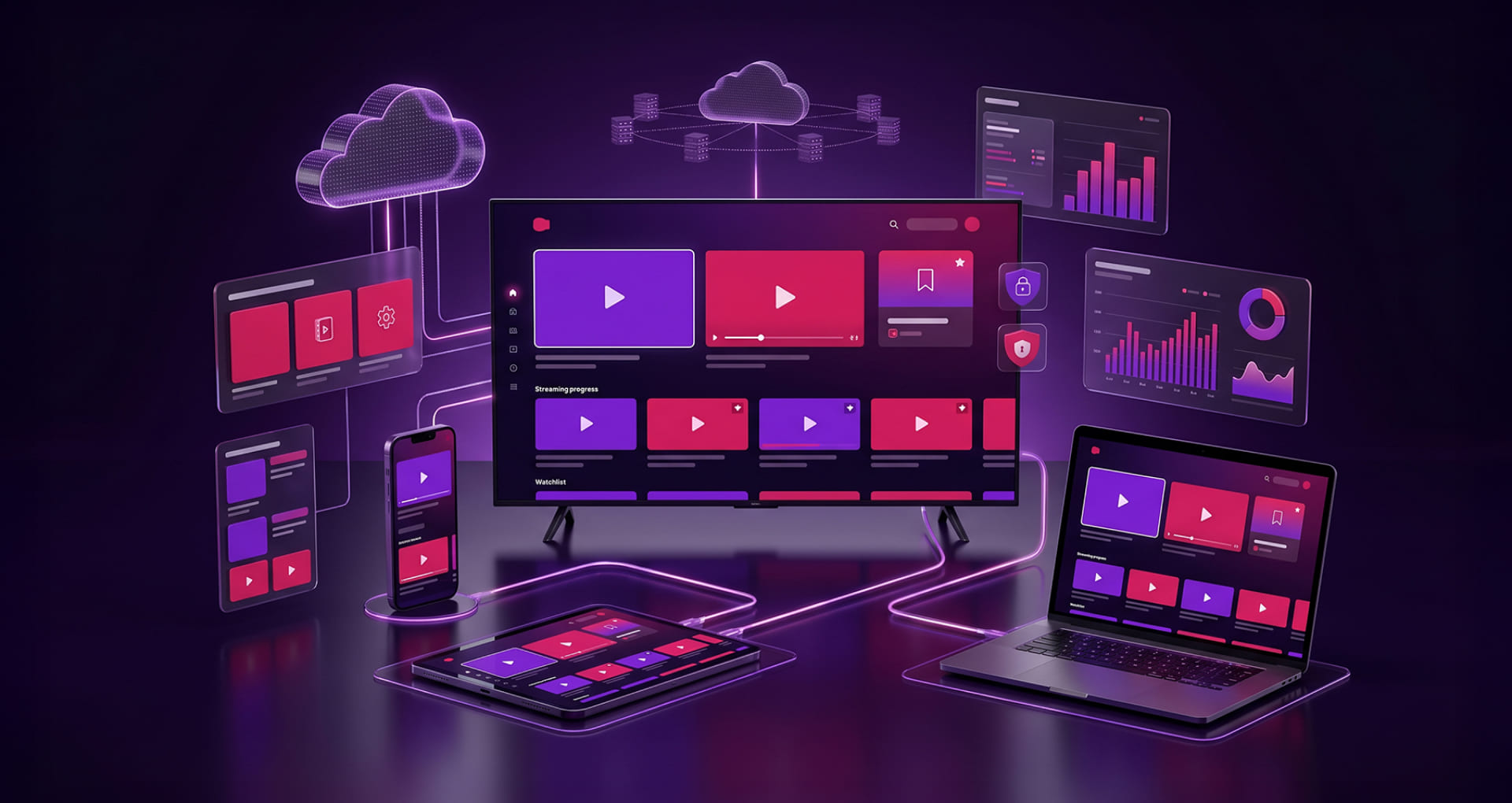
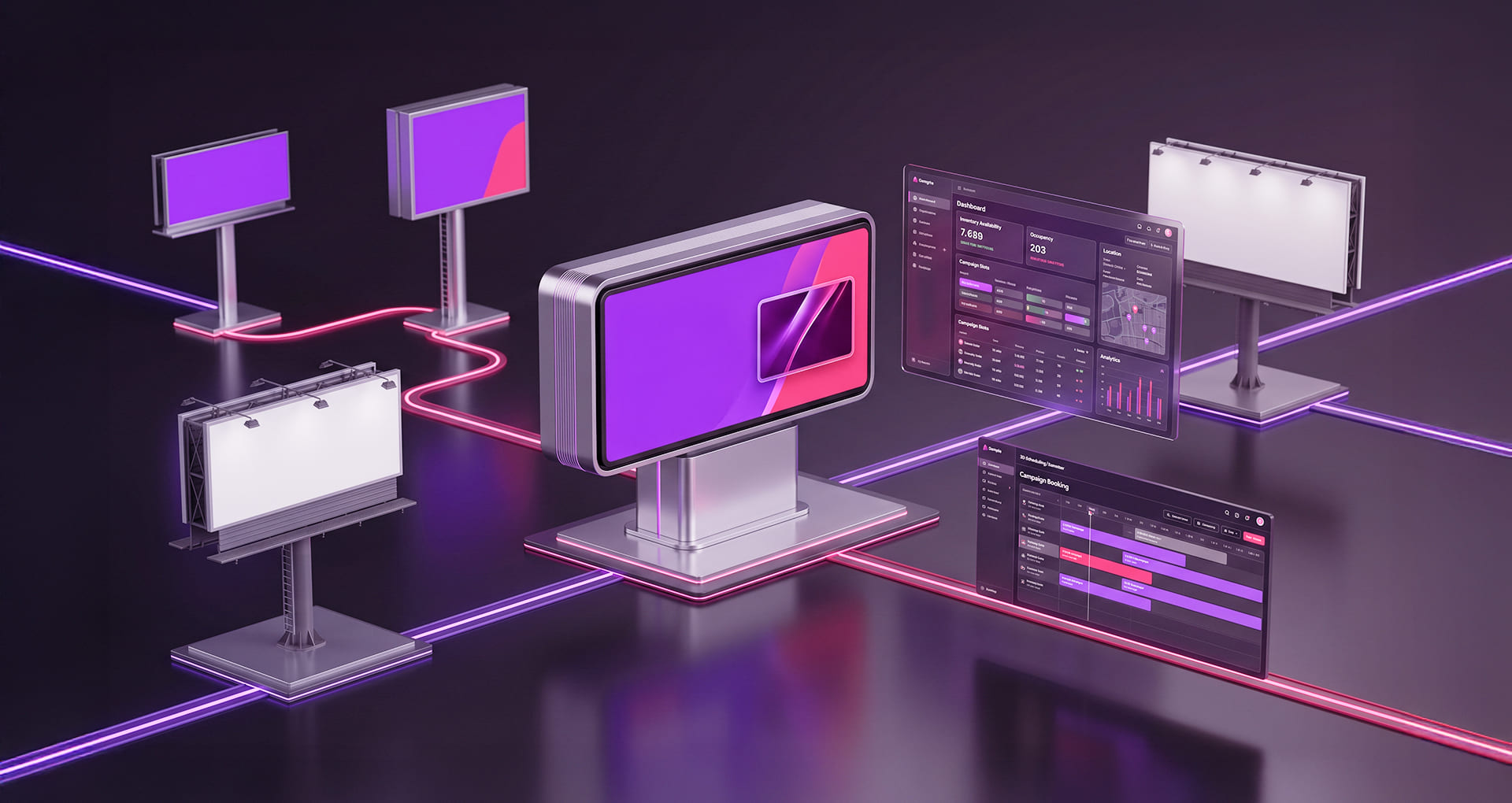
This is why unified OOH inventory management is becoming critical. Let’s discuss, why instead of managing static and digital inventory through disconnected systems, media owners and agencies are adopting centralized platforms that combine inventory visibility, booking workflows, campaign execution, creative management, and reporting within a single operational layer.
Why Managing Static and Digital OOH Inventories Separately Creates Operational Bottlenecks
Managing static and digital OOH inventory through separate systems creates operational inefficiencies across campaign planning, inventory visibility, execution, and reporting. As advertisers increasingly expect unified campaigns across static and digital assets, disconnected workflows make it harder for media owners and agencies to manage availability, coordinate bookings, execute campaigns, and scale operations efficiently.
Here are some of the most common operational challenges caused by fragmented OOH and DOOH inventory management.
1. Fragmented Inventory Visibility
Static and digital OOH inventory is often managed across spreadsheets, CMS platforms, scheduling tools, and manual coordination workflows. Because inventory data lives in multiple systems, media owners rarely have a clear real-time view of available placements, booked inventory, underutilized assets, or unsold opportunities across locations and formats.
2. Slower Campaign Planning and Proposal Creation
Advertisers and agencies no longer want separate static and DOOH plans anymore. They want one connected ad campaign management. But when ad inventory management software is not interconnected, teams spend more time coordinating internally than planning campaigns. Availability checks become slower, proposal creation takes longer and timing, which matters a lot in advertising, starts slipping away.
3. Lower Inventory Utilization and Revenue Leakage
Disconnected inventory management often leads to unsold placements, delayed pricing updates, underutilized DOOH slots, and missed cross-format campaign opportunities. When static and digital inventory operate through separate workflows, media owners struggle to optimize inventory utilization and package the right placements into the right campaigns. Over time, the absence of modern technologies can lead to significant losses, including lower utilization of ad space and inventory.
4. Disconnected Campaign Execution and Reporting
Static campaigns require proof of posting and installation tracking. DOOH campaigns rely on campaign scheduling, creative approvals, loop management, and delivery reporting. Separately, both workflows make sense. Together, disconnected systems create reporting gaps and operational confusion, especially when agencies expect one unified campaign view across static and digital inventory.
5. Poor Buyer Experience for Agencies
Agencies expect OOH buying to feel smoother now with the key elements like faster responses, better visibility and less back-and-forth. But fragmented static and DOOH workflows often create delays, inconsistent reporting, and too many moving parts just to launch a campaign.
Bonus Insight:
- Canada DOOH market: Generated USD 2,071.4 million in 2024 and is expected to reach USD 4,043.0 million by 2030.
- Australia DOOH market: Generated USD 677.6 million in 2024 and is projected to reach USD 1,273.6 million by 2030.
- United Kingdom OOH & DOOH market: Expected to grow from USD 2.16 billion in 2025 to USD 2.28 billion in 2026.
How Unified Inventory Management Helps Scale Modern OOH and DOOH Operations?
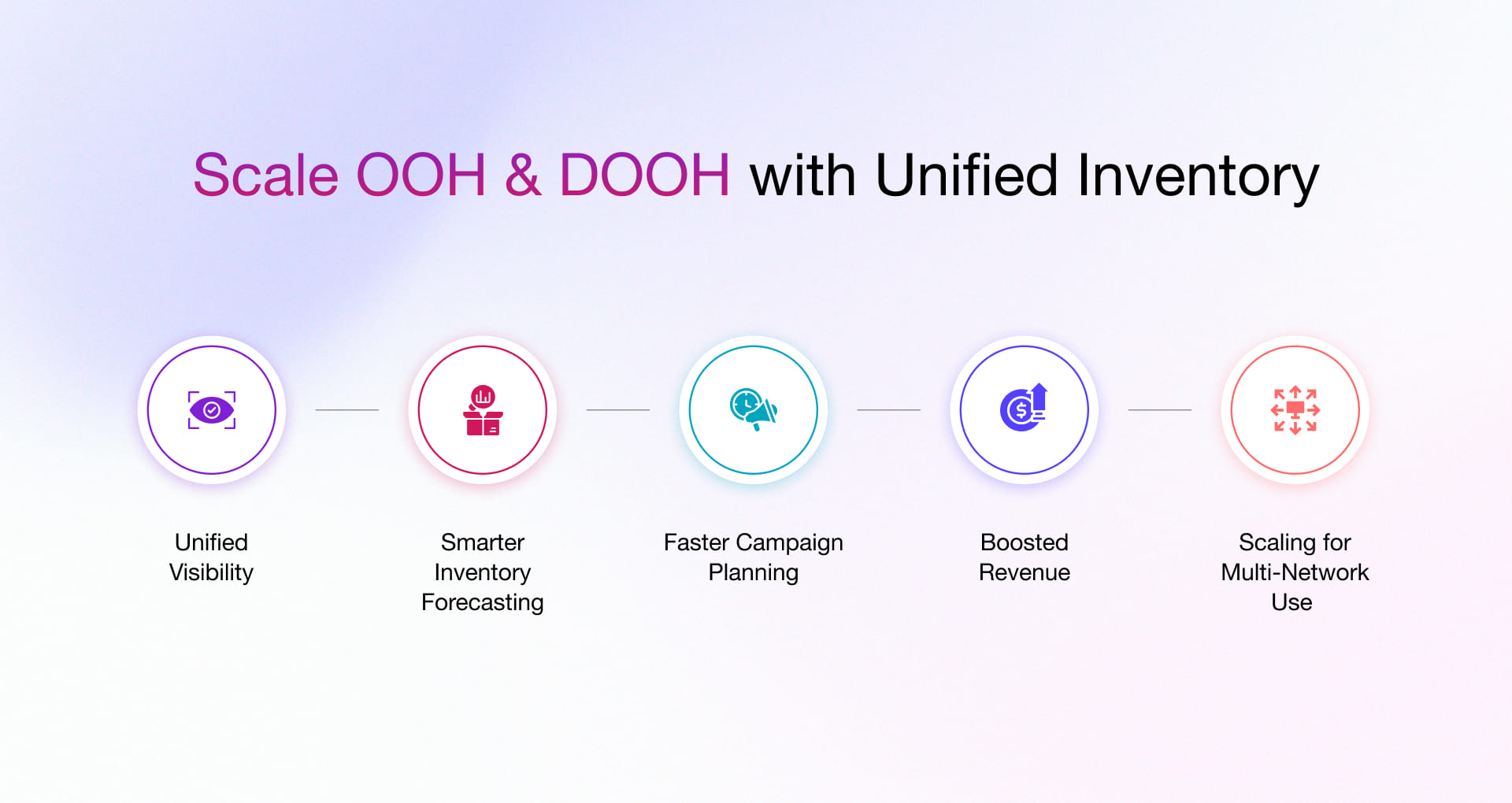
The traditional separation of static and digital out-of-home (OOH) inventory creates operational silos that stifle growth. By transitioning to a Unified Inventory Management platform, media owners and agencies move from fragmented, manual workflows to a high-performance ecosystem.
Unified Visibility: Building One Clear Data Source
A single platform brings together both static and digital out-of-home (DOOH) inventory into one connected ad management system. This approach avoids using separate spreadsheets, isolated content management systems, and disconnected trafficking tools. Information like which inventory is available, scheduling loops, fill rates, flight dates, and location data is constantly updated, giving sales and operations teams a real-time overview of the entire network.
Smarter Forecasting and Inventory Planning
A combined forecasting system lets planners map static and digital inventory against trends like occupancy, impression numbers, audiences, active bookings, and seasonal demand all at once. Instead of waiting to deal with leftover inventory or risks of under-delivery, teams can spot upcoming opportunities, pacing issues, and underperforming spots well before campaigns start.
By combining audience measurement, occupancy trends, historical performance, active bookings, and seasonal demand in one system, teams can forecast inventory availability more accurately, identify underperforming assets early, and optimize campaign planning before delivery timelines are affected.
Quicker Campaign Planning and Mixed Proposal Building
Unified planning workflows help media owners and agencies package static and digital OOH inventory into a single campaign strategy. Availability timelines, audience targeting, daypart scheduling, rate cards, CPM models, screen formats, venue placements, and campaign durations remain connected throughout the planning process, reducing the need to coordinate across separate buying systems. This enables faster proposal creation and more flexible campaign packaging based on location, format mix, budget, and advertiser objectives.
Boosted Revenue Across All Channels
Real-time pricing cues, fill rate patterns, CPM benchmarks, campaign pacing, and programmatic demand from both direct and demand-side platform-driven buys constantly guide how inventory is distributed, priced, and prioritized, whether through guaranteed deals or auctions.
Scaling for Multi-Network Use
A unified inventory management platform supports scaling static and digital inventory across different markets, media types, and publisher ad networks without having to rebuild trafficking or reporting processes each time. Coordination of inventory, campaign logic, measurement methods, and scheduling rules remains consistent as new billboards, digital screens, or partners join the system.
Core Capabilities Required for a Unified Static and DOOH Inventory Ecosystem
Let’s explore the key capabilities and core features a unified static and DOOH inventory management solution should be built with, so your future technology decisions do not become a regret. Here are the essentials:
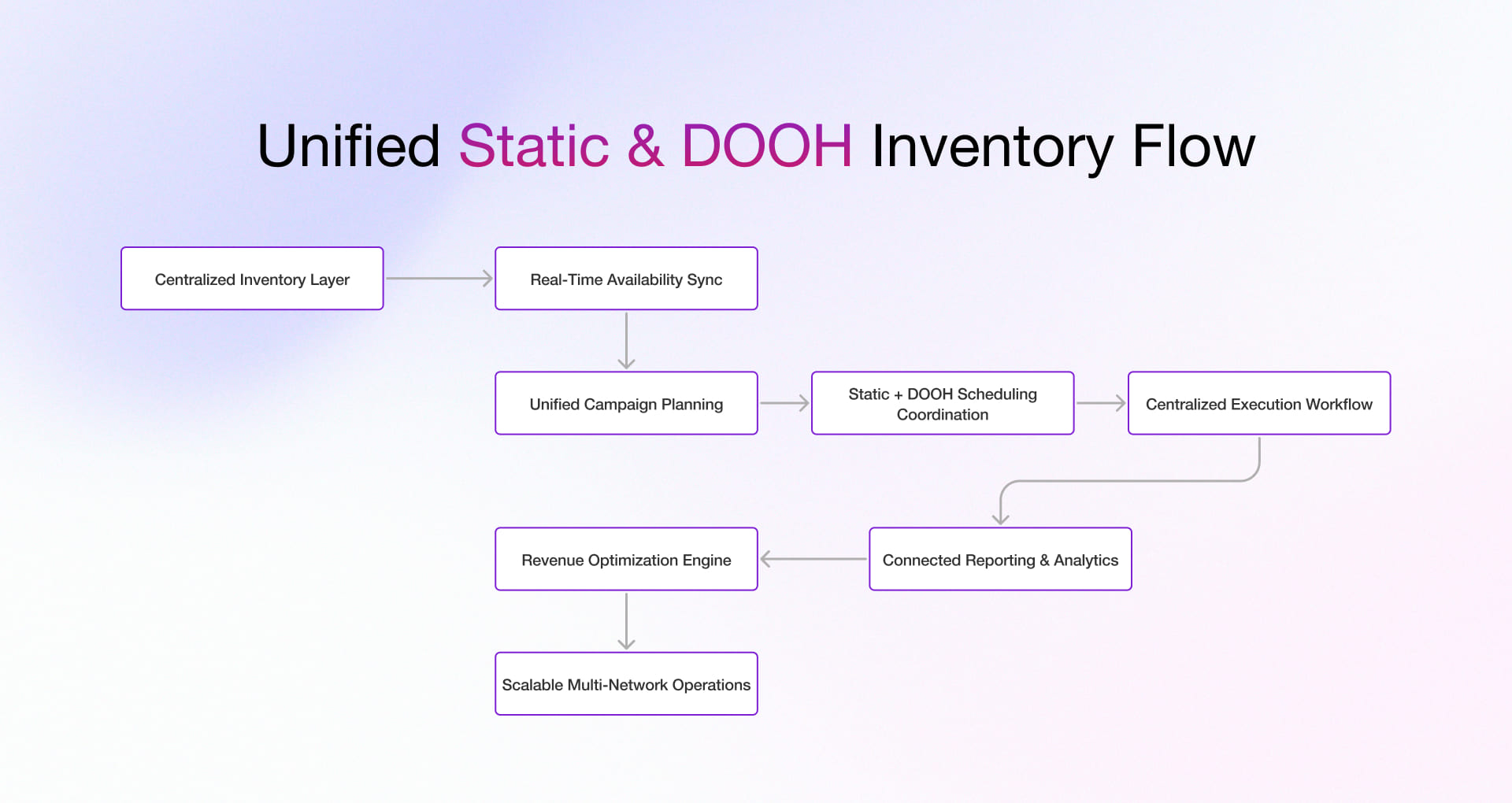
Centralized Dashboard:
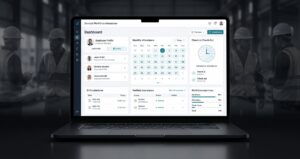
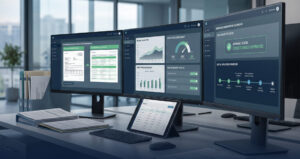
One of the biggest operational advantages of a unified platform is complete visibility across static billboards and DOOH screens together. Instead of inventory being split across different online files and documents, CMS platforms, and disconnected scheduling systems, teams get one centralized operational view across formats which include all the related static and digital ad inventory.
This helps:
- Media owners monitor occupancy and inventory health faster
- Agencies validate availability and campaign feasibility faster
- Ad ops teams reduce coordination delays
- Aggregators manage multi-network inventory more efficiently
Business impact: Better inventory control, faster campaign decisions, and stronger sellable opportunities across hybrid OOH inventory.
Real-Time Availability and Booking Synchronization
Static and DOOH inventory move differently operationally. Static inventory follows reservation cycles, while DOOH inventory changes dynamically through scheduling loops, playback timing, programmatic demand, and sometime real time bidding approach.
Real-time booking synchronization helps keep:
- Campaign allocations updated
- Screen availability accurate
- Booking conflicts minimized
- Static and digital inventory aligned operationally
For agencies, this speeds up campaign approvals. For publishers and media owners, it improves inventory utilization while reducing revenue leakage caused by outdated availability data.
Business impact: Faster turnaround, fewer inventory conflicts, and stronger occupancy optimization.
Rishabh Software Case Study: Explore how our experts went the extra mile to modernize a complex ad inventory management system and turn it into a real-time platform for a Singapore-based outdoor advertising company.
Hybrid Campaign Planning and Proposal Management
Modern advertisers increasingly want static and DOOH inventory packaged together instead of planned separately. Hybrid campaign planning capabilities help teams build connected proposals based on audience movement, geography, visibility zones, and campaign pacing from one workflow.
This makes it easier to combine:
- Roadside billboards
- DOOH screens – including size and format
- Transit inventory
- Venue-based placements
- More integration with multi-screen messaging into one coordinated campaign strategy.
Business impact: Faster proposal generation, better campaign packaging, and higher-value inventory monetization opportunities.
Unified Campaign Execution Across Formats
Static and digital OOH campaign planning and activation require very different execution processes behind the scenes. But, with unified execution workflows help operations teams manage campaign delivery across both environments without fragmented coordination between systems or departments.
This improves:
- delivery consistency
- execution visibility
- campaign pacing control
- operational coordination across teams
- Audience-triggered messaging based on location data and detected device IDs.
Business impact: Smoother hybrid campaign execution and better advertiser confidence in delivery performance, can deliver relevant DOOH ad experience.
Connected Integrations Across the OOH Ecosystem
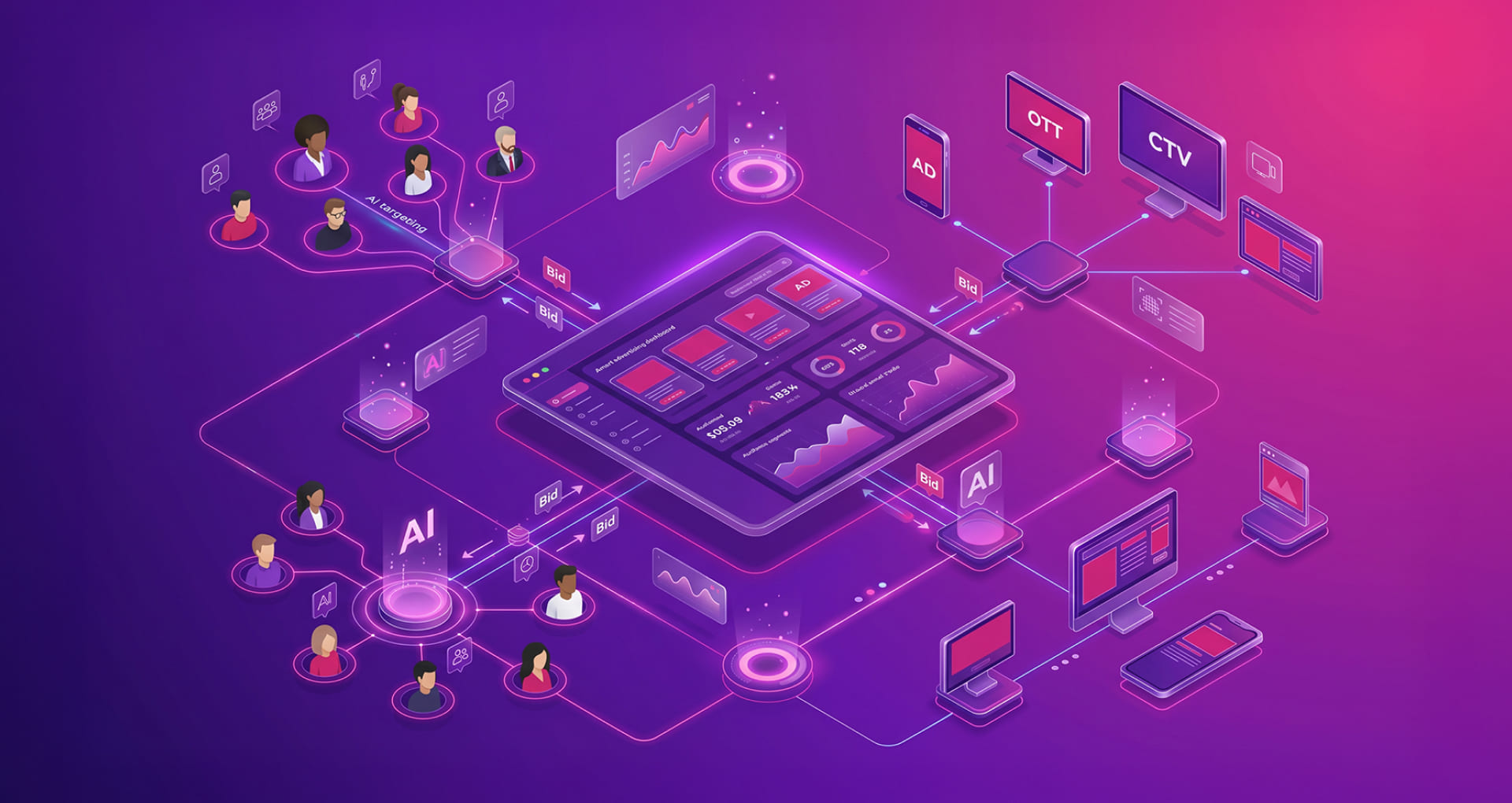
OOH operations depend on multiple systems working together continuously, including CMS platforms, data management platform, ad servers, CRM systems, billing tools, scheduling engines, and programmatic ad exchanges. A modern OOH inventory management solution should support API-first architecture, secure third-party integrations, real-time data synchronization, webhook-based updates, middleware connectors, data mapping, authentication controls, and error-handling workflows
Strong integration capabilities help synchronize:
- Inventory updates
- Advertiser data
- Invoicing workflows
- Campaign scheduling
- Creative delivery
- Programmatic demand access without requiring teams to manually reconcile operational data across systems.
Business impact: More scalable operations, lower manual workload, and better coordination across sales, finance, and ad operations teams.
Centralized Reporting and Operational Analytics
Static and DOOH inventory generate completely different reporting structures. One relies on proof of posting/delivery and occupancy validation. The other generates playback logs, pacing reports, and delivery DOOH analytics. A centralized reporting layer, supported by modern data engineering, API integrations, ETL/ELT pipelines, cloud data warehouses, BI dashboards, and real-time data processing help in making various data sources in one view.
Centralized reporting capabilities combine:
- Occupancy performance
- Playback delivery
- Fill rates
- Campaign pacing
- Revenue trends
- Inventory utilization into one operational reporting layer across both static and digital inventory.
For management teams, this improves forecasting and revenue planning. For agencies and advertisers, it creates clearer campaign transparency and measurable performance visibility.
Business impact: Better operational intelligence and stronger campaign measurement across hybrid OOH networks.
Lease, Permit, and Contract Management Control
Static billboard management system involves long-term operational dependencies like permits, landlord agreements, lease renewals, and advertiser contracts. Managing these manually becomes difficult as inventory networks expand across regions and formats.
Centralized contract management capabilities help businesses track:
- Lease timelines
- Permit renewals
- Compliance alerts
- Location agreements
- Advertiser commitments from one operational system instead of disconnected administrative workflows.
Business impact: Excellent inventory continuity, lower operational risk, and stronger long-term control over static and digital OOH assets.
Modernizing Static and Digital OOH Operations with Our Unified Inventory Management Platform
Want more connected and execution-ready OOH operations?
- Unified visibility across static billboards and DOOH inventory
- Faster campaign coordination, scheduling, and operational execution
- Scalable infrastructure designed for evolving OOH and programmatic ecosystems
Our in-house white-label DOOH aggregator platform is specifically designed to boost end-to-end ad inventory management, execution, and collaboration. media owners, aggregators, and advertising businesses manage static and digital OOH inventory through one connected operational system. Built with enterprise-wide capabilities, the platform supports collaborative campaign planning, real-time inventory coordination, reporting, scheduling, and programmatic workflows while helping organizations build future-proof operational capabilities aligned with evolving OOH advertising priorities.
Frequently Asked Questions
Q: How can businesses modernize legacy static billboard operations alongside digital OOH infrastructure?
A: Businesses can modernize by managing static and digital billboards in one central platform. They can choose white-label solutions designed by Rishabh Software to digitize their entire DOOH ad ecosystem. This helps digitize inventory data, automate booking, reduce spreadsheet work, and improve visibility into availability, campaigns, and performance.
Q: Can static and digital OOH inventory management systems integrate with CMS and ad-serving platforms?
A: Yes. A unified system for OOH inventory can connect with CMS, digital signage software, ad servers, CRM, ERP, billing systems, DSPs, supply-side platforms, and reporting tools through APIs. This integration lets teams sync inventory availability, campaign bookings, creative approvals, screen schedules, playback information, delivery reports, and billing details across all connected platforms.