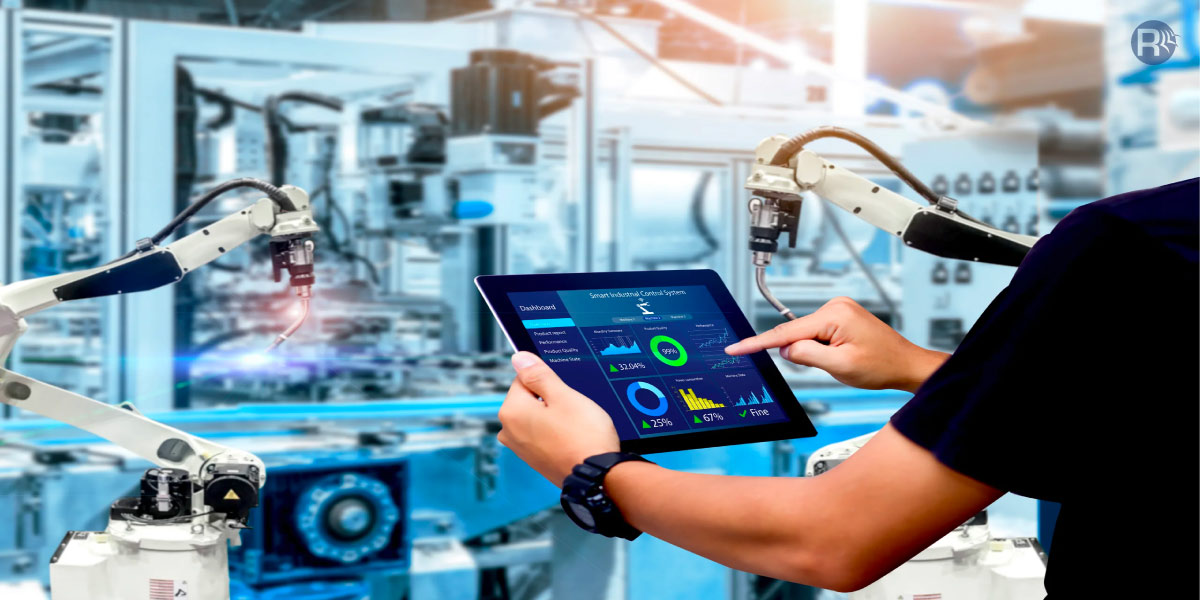
Your ERP is a strong System of Record. It knows what was ordered, what got scheduled, what was produced, and what shipped. But it does not always know why Line 3 slowed down after lunch, why the reject rate increased during the second shift, or why a critical asset is showing early signs of failure. These operational signals live outside the ERP, across the shop floor, machines, SCADA environments, and connected assets.
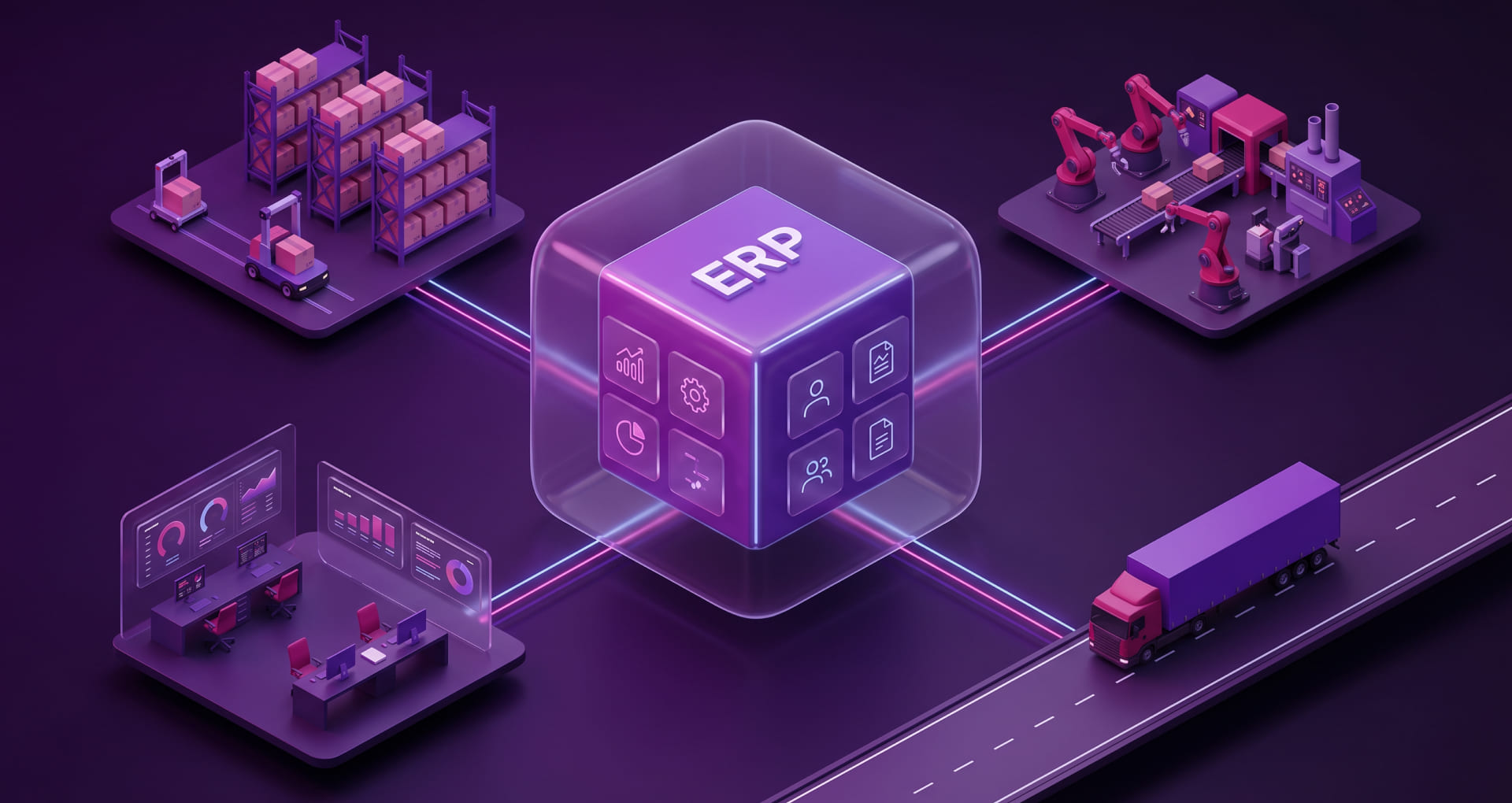
That is why an ERP Augmentation becomes necessary. Think of it as a Digital Wrapper, a connected innovation layer built around your existing ERP that captures real-time operational data, automates workflows, generates intelligence, and bridges the gap between enterprise records and shop-floor execution. The winning architecture for modern manufacturing is ERP+1, where ERP remains the System of Record, and a digital wrapper drives real-time Connected Ops: keep the ERP as the system of record and add a layer of a System of Innovation on top to capture real-time operational data, automate workflows, generate intelligence, and connect decisions back to execution.
Manufacturers do not need to replace a stable ERP just to become more responsive. They need an ERP Augmentation strategy, a Digital Wrapper that bridges the gap between enterprise records and real-world operations. This blog discusses the importance of ERP extensions and how they benefit manufacturing operations.
Why ERP+1 and ERP Augmentation Matter in Manufacturing
Over the years, ERP systems have provided reliable support for production planning, procurement, inventory management, and finance. That foundation still matters. What has changed is the operating environment. Manufacturers now need visibility into live production conditions, asset health, quality events, inventory movement, and supply chain signals as they happen.
The ERP+1 model solves this without forcing a disruptive rip-and-replace project. It introduces a System of Innovation above the ERP. As a digital manufacturing solution, it connects shop-floor systems, PLCs, SCADA platforms, IIoT devices, analytics tools, and workflow automation to the existing backbone. The ERP remains the trusted source of record, while the +1 layer the Digital Wrapper, turns that record into Connected Ops.
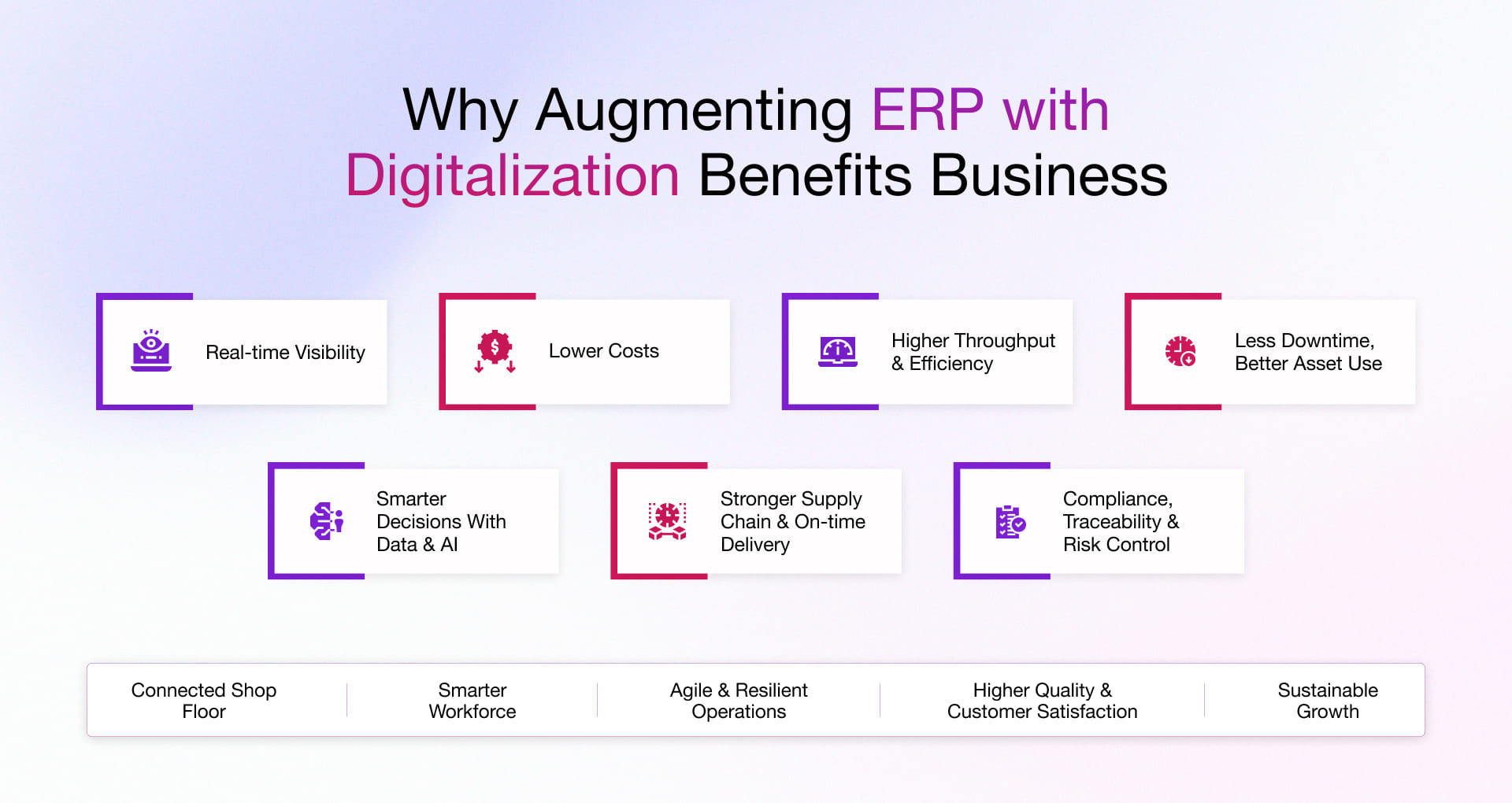
07 Operational Benefits of ERP Augmentation with Digitalization
ERP augmentation with shop floor connectivity, analytics, automation, and intelligence does not create value in just one area. It improves how the entire manufacturing operation runs, especially where speed, coordination, traceability, and response time matter most.
1. Achieve Real-Time Visibility Across Connected Ops
In most plants, there is a delay between what is happening on the floor and what the ERP reflects. By the time a downtime event or performance loss is recorded, the window to respond may already be gone.
By augmenting your ERP with SCADA systems, PLC-controlled equipment, and IIoT-enabled assets, the digital wrapper continuously captures production data. Teams gain real-time visibility into what is happening now, not what was reported later.
2. Reduce Production Costs Through Better Resource Optimization
Production costs usually do not rise all at once. They erode through idle machine time, excess material consumption, unbalanced labor allocation, and small inefficiencies that go unnoticed for too long.
A Connected Ops approach, enabled by ERP augmentation exposes those losses by combining ERP data with shop-floor signals and analytics. This helps manufacturers optimize labor, machine usage, and material consumption with better precision.
3. Increase Production Throughput and Operational Efficiency
Throughput losses often come from disconnected planning and execution. Production orders may look right inside the ERP, while actual machine performance, TAKT alignment, and bottlenecks tell a different story on the floor.
With ERP Augmentation and ERP+1, live feedback from MES, machines, and controls flows back into planning. That helps teams identify bottlenecks faster, keep schedules aligned to actual conditions, and improve OEE across the line.
4. Minimize Unplanned Downtime and Improve Asset Utilization
An unplanned stoppage affects more than one machine. It disrupts schedules, delays downstream operations, and puts pressure on the next shift to recover output.
When you extend your ERP with equipment health monitoring, SCADA integration, and machine-level data, the digital wrapper flags issues can be flagged before they become failures. Maintenance teams act earlier, asset utilization improves, and downtime becomes more manageable.
5. Enable Data-Driven Operational Decision-Making
Manufacturers need more than historical reports. They need decisions driven by live KPIs such as throughput, cycle time, yield, schedule adherence, and downtime patterns.
A modern ERP augmentation strategy integrates the ERP with BI platforms, analytics engines, and AI models to create a real-time decision environment at the heart of connected OPs. That enables faster response cycles, more accurate planning, and more confident operational decisions.
6. Enhance Supply Chain Coordination and On-Time Fulfillment
Supply chain disruption is harder to manage when ERP data is isolated from partner systems and live execution signals. Delays in demand changes, shipment visibility, or inventory movement can ripple across production.
By modernizing your ERP through SCM and EDI integration, manufacturers can share demand, inventory, and logistics information more effectively across the network. The result is better coordination, improved delivery performance, and a more resilient, connected Ops environment.
7. Strengthen Compliance, Traceability, and Risk Control
Compliance and traceability depend on connected data across sourcing, production, quality, and shipment events. Without that connectivity, audits become slower, and response to quality events becomes harder.
With an ERP augmentation architecture, manufacturers can connect traceability, compliance workflows, and production history across the lifecycle. This supports faster audits, stronger regulatory alignment, and quicker recall response in regulated industries.
Why Extending a Legacy ERP Is Smarter Than Replacing It
For most manufacturers, the existing ERP already contains years of structured business logic, master data, production history, and financial controls. Replacing it is expensive, disruptive, and often unnecessary.
The smarter move is to extend what already works. ERP Augmentation, the digital wrapper model, preserves the ERP investment while adding the innovation layer needed for live visibility, automation, intelligence, and connected OPs across the shop floor.
An ERP+1 model preserves ERP investment while adding innovation solving common legacy ERP challenges without full replacement.
Why Rishabh Software for ERP Augmentation and Digital Wrapper Solutions
Most manufacturers do not need another consultant explaining what is theoretically possible. They need a partner who understands how to connect what already runs on the floor without disrupting the ERP foundation
That is the core of the ERP+1 approach. The ERP remains your System of Record, while the Digital Wrapper connects machines, sensors, shop-floor systems, analytics, AI, and workflows so your teams can act on real-time insights rather than delayed reports, delivering true Connected Ops across your entire manufacturing environment.
As an ERP+1 enabler and , Rishabh Software can help digital manufacturers:
- Connect shop floor equipment, sensors, and operational systems to the ERP for live, execution-level visibility.
- Build analytics and AI layers on top of ERP and production data to predict failures, surface patterns, and flag operational risk early.
- Automate workflows and approvals that still depend on manual follow-up, helping teams spend less time chasing updates and more time improving output.
Frequently Asked Questions
Q: What is a Digital Wrapper in the context of ERP?
A: Digital Wrapper is the innovation layer built around your existing ERP, the +1 in ERP+1. It connects machines, sensors, SCADA systems, analytics tools, and workflows to the ERP without modifying its core. The result is Connected Ops: a manufacturing environment where real-time data flows between the shop floor and enterprise systems, enabling faster decisions and more responsive execution.
Q: Why are manufacturers extending their legacy ERPs instead of replacing them?
A: Because the ERP already does its core job well: managing transactions, planning, inventory, and financials. What manufacturers need now is not a full replacement, but ERP augmentation, a digital wrapper that brings in real-time shop floor visibility, automation, and intelligence. Extending the ERP is faster, less disruptive, and far more cost-effective than starting over.
Q: Can AI and Machine Learning work within an existing ERP setup?
A: Yes. AI and machine learning work as part of the digital wrapper around the ERP. They use maintenance history, production logs, quality data, and procurement patterns to generate insight without forcing changes to the ERP core.
Q: Is it possible to digitalize operations around an ERP without replacing the current system?
A: Yes, and that is the recommended path. ERP augmentation focuses on digitalizing the manual operations around the ERP, such as shop floor data capture, machine connectivity, workflow approvals, and operational analytics, then integrating those capabilities back into the ERP environment.
Q: How do you measure the success of ERP extension in manufacturing?
A: Success can be measured operationally through reduced downtime and improved OEE, financially through better inventory control and lower waste, and strategically through faster decisions and less manual intervention.