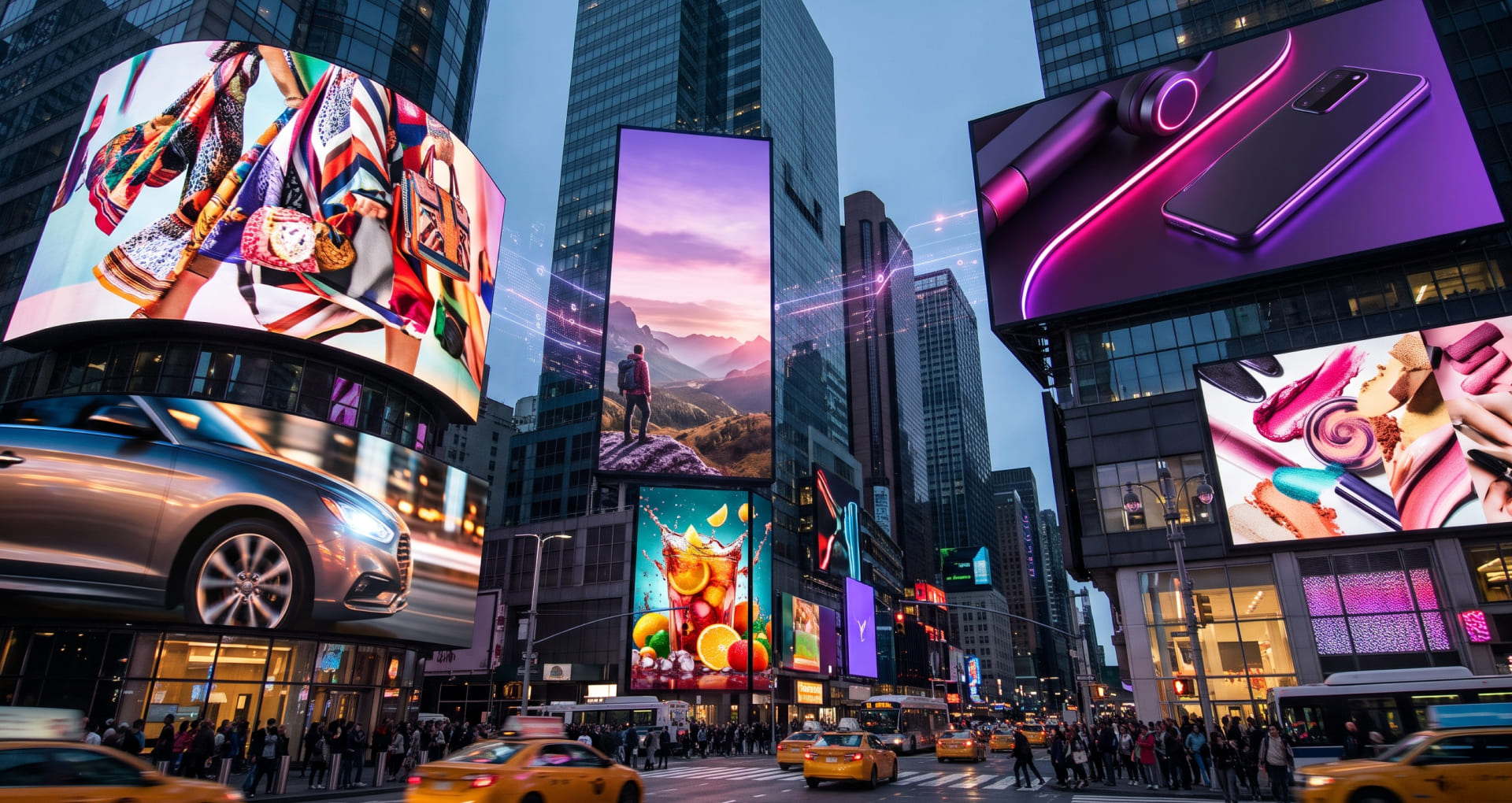
Out-of-home (OOH) advertising has come a long way from traditional media planning and manually coordinated campaigns. With digital out-of-home (DOOH), advertisers and media owners have more flexibility in managing screens, planning campaigns, and delivering ads. Programmatic buying takes this a step further by automating inventory transactions and making it easier to connect available screen inventory with advertiser demand.
Connected platforms can now handle tasks that once required lengthy coordination between buyers, publishers, and media owners more efficiently. This shift is also reflected in market projections. According to Fortune Business Insights, programmatic DOOH is expected to account for 65.51% of the DOOH market by technology platform in 2026. As the market evolves, the focus is moving beyond automated buying to better inventory management, data-driven campaign activation, and greater visibility into ad delivery.
In this blog, we will look at the technologies driving programmatic DOOH, how buying models and inventory transactions are changing, and why real-time data and campaign verification matter to advertisers, agencies, and media owners.
Technological Advancements Shaping Programmatic DOOH
Programmatic DOOH relies on several technologies working together to connect advertising demand with available screen inventory. From standardized bid requests and inventory synchronization to dynamic creative decisioning and cloud infrastructure, these components help automate transactions and coordinate campaign delivery. Understanding how they work together also helps media owners and advertisers identify where better integration, data handling, and operational control can improve campaign management.
Premium DOOH inventory and media investment teams are largely using technology to make static and digital OOH inventory management easy and more accessible, as mentioned below.
OpenRTB 2.6 and DOOH-Specific Bidstream Technology
Programmatic transactions involve physical DOOH screens that require information beyond the creative and placement details commonly associated with digital ads on personal devices. Buyers may need to evaluate a screen’s location, venue type, audience estimates, available playback opportunities, and campaign requirements before bidding.
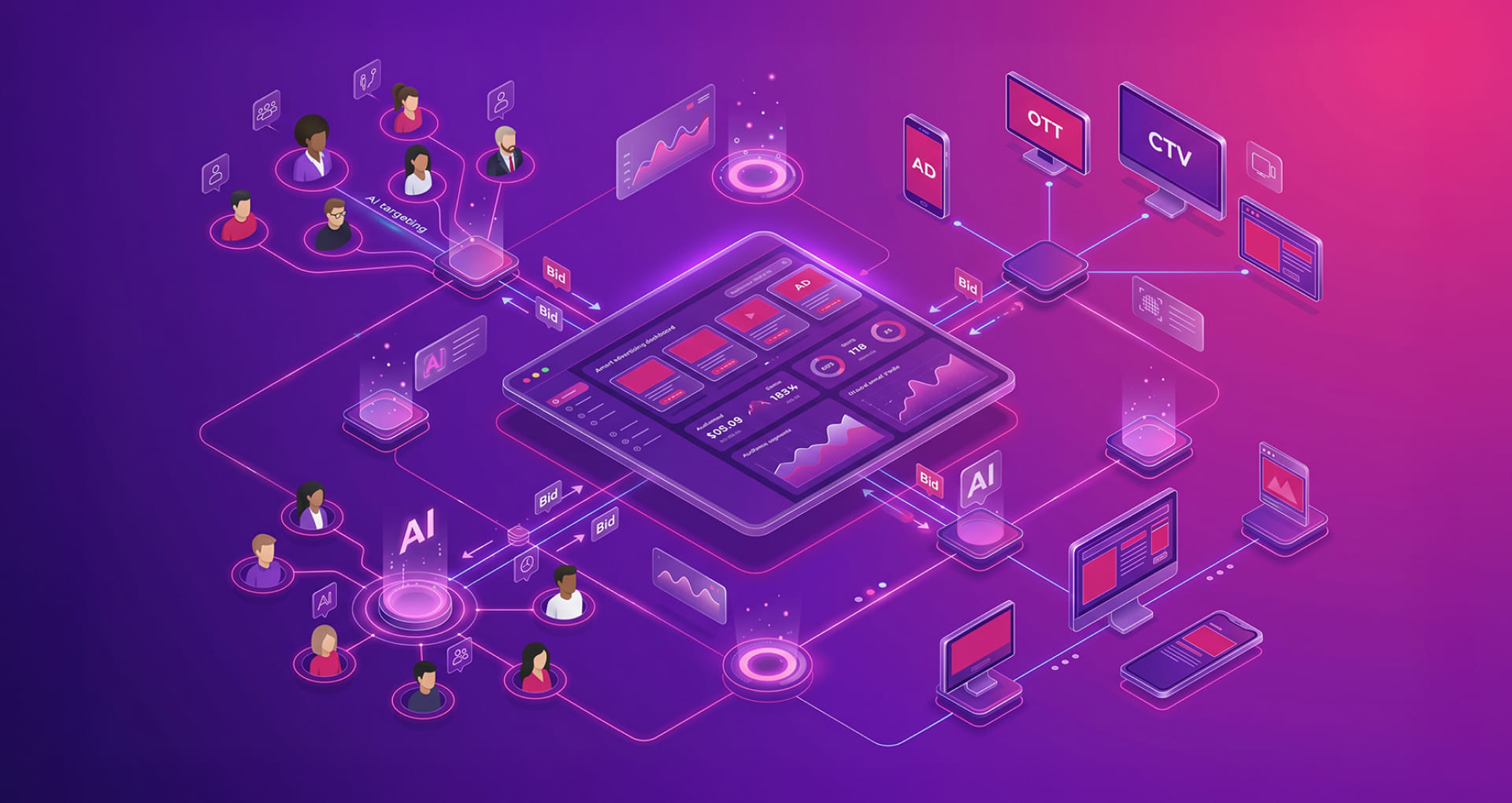
This is where OpenRTB comes into the picture, making communication between demand-side platform (DSPs) and SSPs more standardized. Along with the Advertising Common Object Model (AdCOM), it brings more clarity to how DOOH inventory is described, shared, and evaluated. For buyers and media owners, there is a common structure to work with rather than dealing with different inventory information at every stage. Here is a chart showing the market presence RTB has held and is expected to hold in the future:
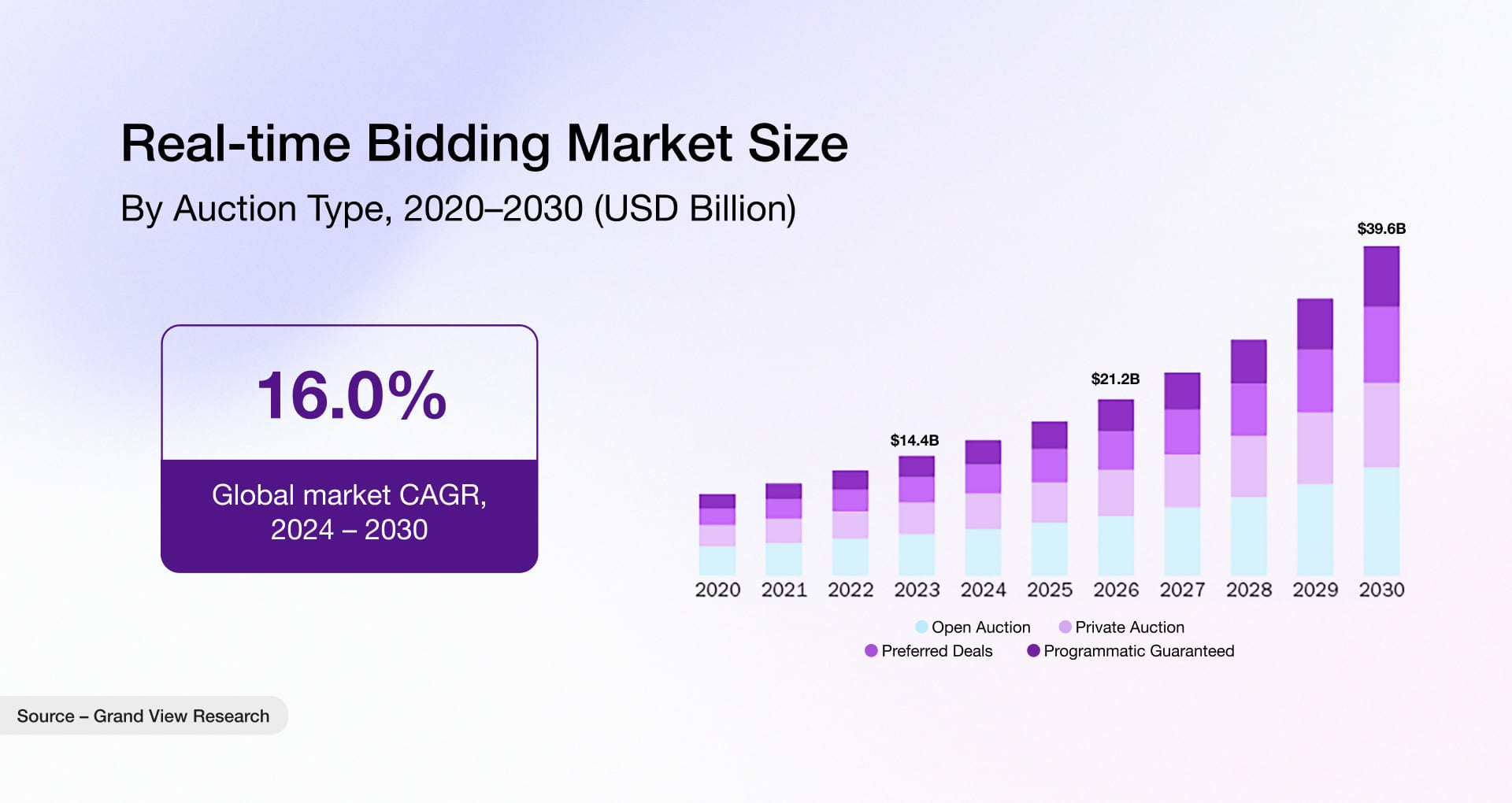
Source: grandviewresearch.com
Key technologies and technical components include:
- DOOH Object and Venue Taxonomy: The object identifies DOOH inventory, while venue taxonomy values classify advertising environments such as transit stations, retail locations, and roadside screens.
- Audience Impression Quantities: Communicates estimated audience quantities and measurement information for one-to-many advertising opportunities.
- DOOH Bidstream Extensions: Enables additional integration-specific information where required. Physical coordinates, screen orientation, and technical specifications may be supplied through supported standard fields or custom extensions, depending on the implementation.
- Bid Response Timeout (tmax): Defines the maximum time permitted for an auction response, helping DSPs and SSPs manage transaction latency.
Real-Time Inventory Synchronization and Programmatic Ad Serving
Winning a programmatic bid does not, by itself, confirm that an ad has played on a DOOH screen. The transaction must be handled by the relevant ad-serving and content management systems, and the creative must be compatible with the screen’s playback requirements. Inventory availability, existing campaign commitments, scheduling rules, and connectivity can all affect delivery.
Key capabilities include:
- SSP-to-Ad Server Integration: Connects programmatic transactions with available screen inventory and playback schedules.
- Ad Markup Delivery (adm and nurl): Supports different methods of communicating advertising markup during the transaction process.
- Edge Caching: Stores approved creatives locally so screens can continue playback when network connectivity is interrupted.
- Fallback Scheduling: Enables screens to display previously approved content when programmatic delivery is unavailable.
- Concurrency Controls: Help prevent conflicts between guaranteed bookings and programmatic demand.
Dynamic Creative Decisioning and Real-Time API Integration
Programmatic DOOH brings another possibility of making creative decisions much closer to the actual ad delivery. With Dynamic Creative Optimization (DCO), external APIs, and rules-based decisioning engines coming into play, advertisers can make use of approved creative variations according to the conditions around a particular screen.
Take a closer look at campaign execution and connected workflows, and discover how we developed a centralized DOOH campaign planning platform for a global Adtech organization.
The underlying capabilities include:
- Server-Side DCO: Assembles or selects approved creative elements before delivery to the media player.
- Contextual APIs: Connect weather, traffic, transit, and event data with programmatic creative systems.
- Rules-Based Decision Engines: Determine creative eligibility using predefined conditions and campaign requirements.
- Dynamic Creative Templates: Allow advertisers to update approved messaging and visual elements without rebuilding every advertisement.
Cloud-Native Infrastructure and Event-Driven Processing
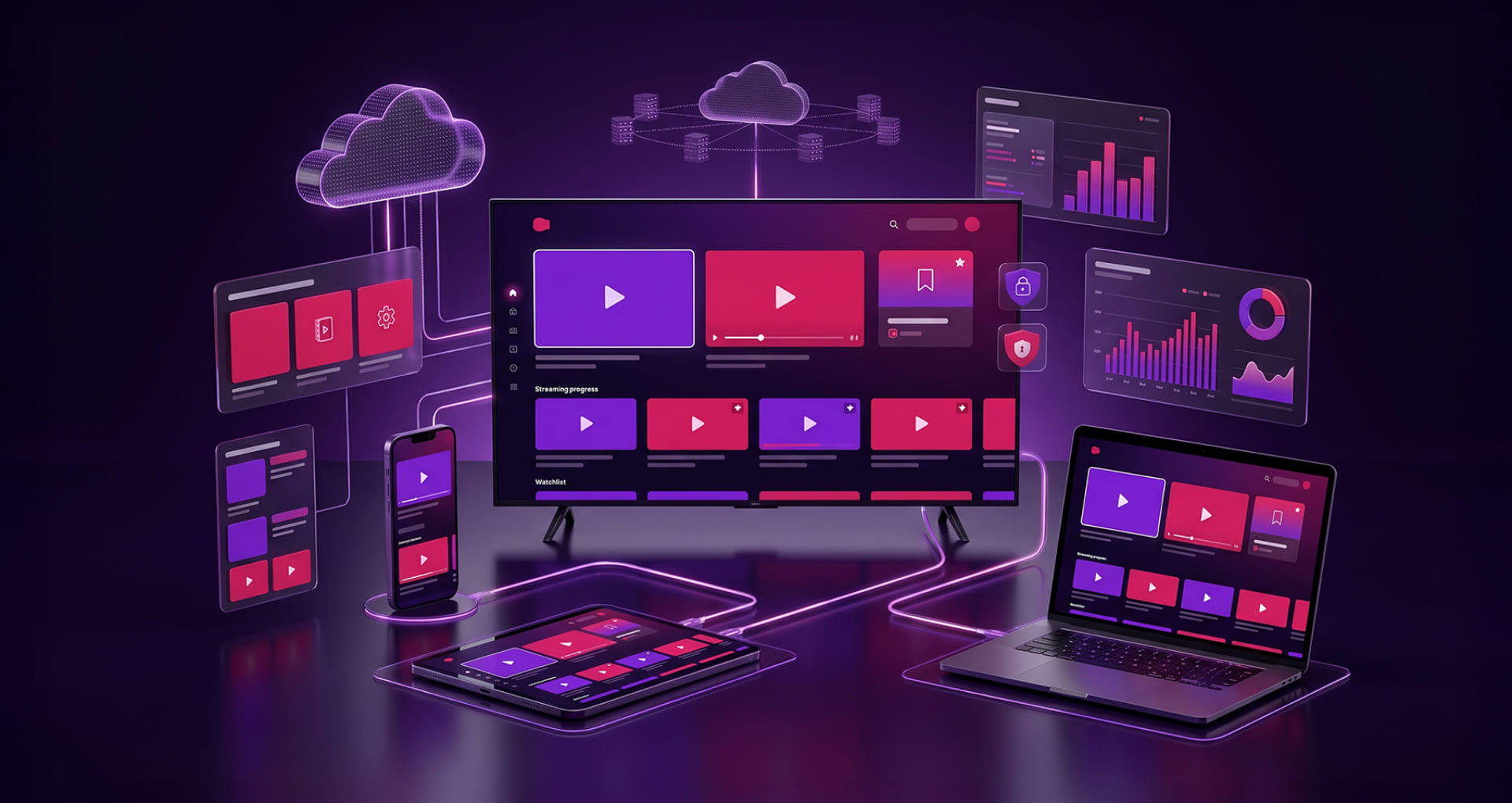
Cloud-native infrastructure and event-driven architecture (EDA) allow different services to process information independently while remaining connected throughout the advertising workflow. Handling information across several systems also brings the challenge of data fragmentation in programmatic advertising.
Here is an example or real-world scenario:
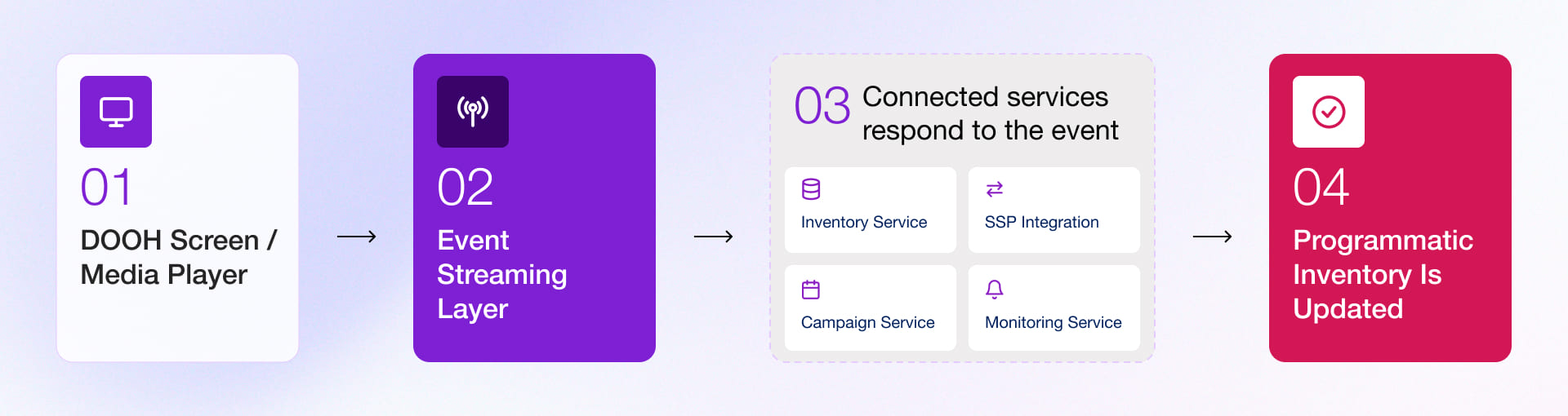
Building and maintaining such infrastructure may require specialized cloud services and solutions. Rishabh Software, an AWS Select Tier Services Partner and Microsoft Solutions Partner, supports businesses in developing scalable cloud environments through its AWS development services and Microsoft Azure consulting services.
How Programmatic DOOH is Changing Media Buying and Inventory Transactions
Programmatic DOOH is changing how advertisers access screen inventory and how media owners manage availability, pricing, and campaign commitments. Automated buying workflows can reduce manual coordination, while different transaction models give buyers varying levels of access and control over inventory. Three approaches illustrate this shift: open auctions, private marketplaces, and Programmatic Guaranteed, alongside the way media owners manage Share of Voice commitments.
Open Auctions and Private Marketplaces
Open auctions allow eligible buyers to bid on available DOOH inventory through automated buying platforms. Private marketplaces (PMPs), in contrast, give selected buyers access to inventory under specific deal terms, which may include Deal IDs, bid floors, and negotiated conditions.
According to the WOO Global pDOOH Expenditure Study, PMPs accounted for 75.7% of global pDOOH spending in 2025. This points to the importance of deal-based buying in the market. For media owners, PMPs can provide greater control over which buyers access selected inventory and under what terms. Agencies, meanwhile, can use these arrangements to access agreed inventory through programmatic workflows.
Programmatic Guaranteed
Programmatic Guaranteed (PG) allows advertisers to reserve selected DOOH inventory at pre-agreed pricing, with defined delivery commitments managed through programmatic workflows. It can be useful when a campaign requires specific screens, locations, or inventory allocations rather than relying on open bidding.
For media owners, the priority is to fulfill these commitments while coordinating reserved inventory with other campaign bookings and programmatic demand. Automating these workflows can also reduce manual coordination and the operational overhead associated with traditional inventory management. These issues are explored further in our blogpost on the hidden costs of manual OOH inventory management.
Combining Share of Voice with Programmatic Buying
Share of Voice (SOV) agreements define the proportion of advertising opportunities allocated to a campaign within a specified screen, network, or period. Media owners can manage these commitments alongside programmatic demand, making inventory available for additional campaigns where capacity permits.
This requires accurate availability data and scheduling controls to ensure that contracted SOV commitments are met without creating conflicts with other bookings. When integrated with programmatic buying workflows, these controls can help media owners manage reserved and available inventory more consistently.
The Role of Real-Time Data in Programmatic DOOH
Real-time data has become another important part of programmatic DOOH. And technologies like data analytics in digital out-of-home advertising takes buying decisions beyond just the location of a screen. Advertisers and agencies are now considering audience movement, nearby surroundings, and the time when inventory becomes relevant. As per IAB Australia’s 2026 research, 88% of surveyed agency decision-makers considered geo-location a major buying factor, while 79% highlighted contextual relevance.
The numbers also indicate how media investment decisions are changing, with more consideration given to the data behind each advertising location and not just the screen availability.
Location Intelligence and Mobility Data
Location intelligence is not restricted to knowing where an advertising screen is placed. The movement of people around that location, their visiting patterns, and time spent nearby also come into consideration. Technologies such as geospatial mapping, point-of-interest (POI) data, mobility tracking datasets, and dwell-time estimates are being used to understand these aspects.
Here is the quick look on how programmatic DOOH advertising platform focus on location-based targeting in upcoming year:
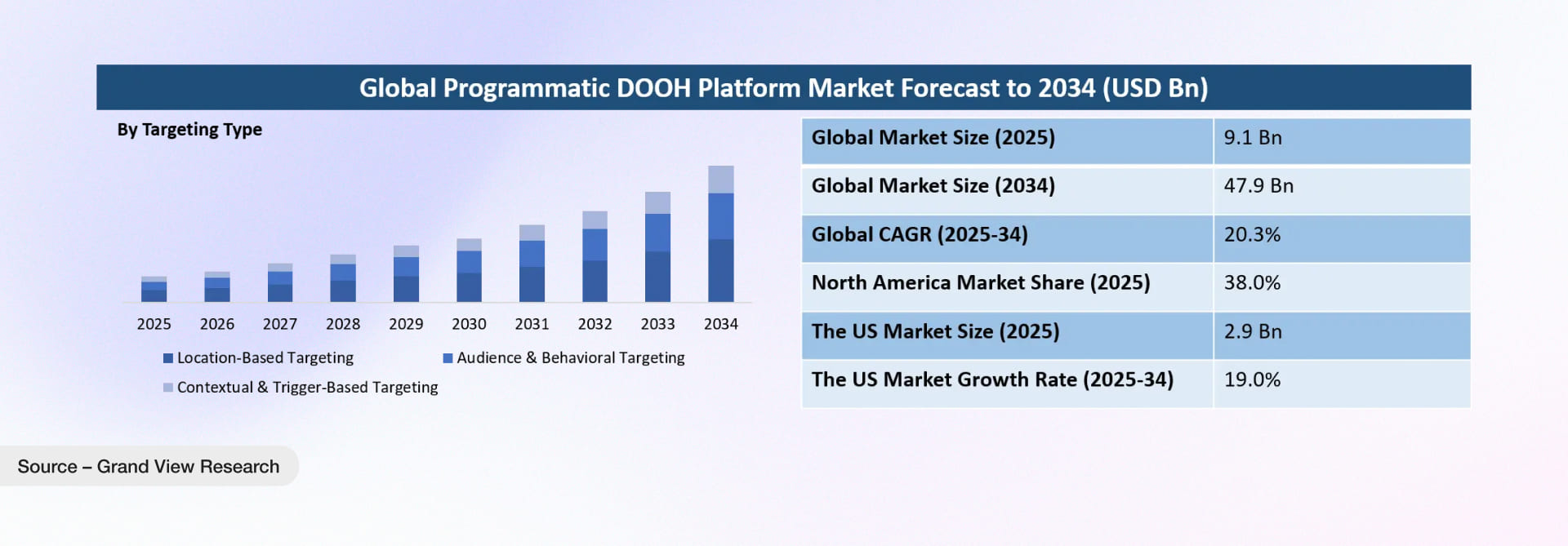
For media owners, this is another development in understanding the audience value of their inventory and particularly focus on DOOH audience measurement. Agencies can also look at different locations with more information available, rather than depending only on traffic volume and physical placement.
Weather, Traffic and Event-Based Activation
Weather conditions, traffic movement, and live events are also becoming part of how programmatic digital OOH campaigns are activated. The relevance of an advertisement can change with the conditions around a particular screen, even when the location remains the same.
Through contextual APIs and predefined activation rules, advertisers can connect campaign delivery with weather updates, transit information, or ongoing events. For example, a retail advertiser may choose to activate a different approved campaign message during rainfall or when nearby traffic conditions change.
IAB Australia’s 2026 research also found that 70% of surveyed agency decision-makers considered daypart targeting a major buying factor. This shows how timing has its own importance in pDOOH, along with location and audience-related information.
Audience Modeling and Contextual Relevance
Audience modeling takes the discussion further by bringing multiple data points together. Demographic estimates, mobility patterns, audience presence, and surrounding conditions are considered to understand which screen inventory could be more relevant to an advertiser.
A 2025 academic study on ontology-enhanced DOOH targeting reported a 220% relative increase in relevant advertising impressions compared with a baseline campaign.
The study used anonymized GPS and contextual information, although the experiment was limited to a single display and a small dataset. It is not an industry-wide performance result, but the findings do indicate the potential of combining different data sources for outdoor advertising decisions.
For advertisers and media agencies, programmatic digital out-of-home advertising is bringing more possibilities to evaluate audience relevance before investing in available screen inventory.
Transparency and Verification in Programmatic DOOH
Verification and full-cycle transparency are the next big phase in programmatic digital out-of-home advertising. Let’s look at the facts. According to IAB Australia’s 2026 pDOOH research, 42% of surveyed agency decision-makers identified demonstrating ROI as the biggest barrier to increasing pDOOH investment, while 23% identified audience measurement.
These concerns are what place greater emphasis on transaction visibility, delivery verification, and trustworthy inventory information.
Bid-Level Transparency and Supply Path Visibility
No doubt, there can be a huge chain of selling intermediaries involved in making the complete cycle of programmatic DOOH advertising possible. Previously, tracing this journey was not so clear specially in out of the door ads, with limited visibility into who was involved and how inventory reached advertisers.
Programmatic buying makes this journey far more visible. Technologies such as SupplyChain Object (schain) and sellers.json help advertisers and agencies identify intermediaries involved in selling DOOH inventory. From the original media owner to the final buying platform, there is now more room to understand the supply path, evaluate transaction costs, and avoid unnecessary intermediaries.
Ad Playback Verification and Reporting Discrepancies
Winning in bids for pDOOH not always give indicator to confirmation at first. Things like Proof-of-Play (PoP), creative IDs, screen identifiers and playback timestamps help media owners reconcile delivery with programmatic transaction records.
In IAB Australia’s 2026 research, 76% of agency respondents used delivered impressions as a measure of effectiveness, demonstrating the continued importance of reliable delivery reporting. After all, winning the bid is only half the battle. For advertisers and publishers, the distinction between auction wins, confirmed playback, and modeled audience impressions remains critical.
Inventory Quality and Brand Safety in pDOOH
Inventory quality depends on accurate venue classifications, screen metadata, creative policies and verified placement information.
For media owners, accurate information protects commercial credibility and helps them monetize digital signage with DOOH advertising. For agencies, it provides greater confidence that programmatic digital out-of-home advertising appears in suitable physical environments.
How Rishabh Software Supports Advanced pDOOH Technology Development
At Rishabh Software, we combine AdTech software development expertise with AI/ML development and data engineering services to support the development and integration of programmatic DOOH platforms. From advertising systems such as ad servers, DSPs, SSPs, and real-time bidding solutions to large-scale advertising data workflows, our engineering capabilities help businesses address the technical requirements of campaign execution and inventory management.
Our in-house DOOH Aggregator Platform centralizes screen inventory, availability, booking, creative delivery, and reporting. This helps media owners streamline campaign operations, improve inventory visibility, and manage screen bookings more efficiently.
Frequently Asked Questions
Q: What exactly is programmatic DOOH?
A: With the advancement of technology and the use of modern tech stacks in out-of-home advertising, the buying and selling of digital advertising inventory have become more automated and quicker than ever. Powered by real-time data, AI-enabled platforms (SSPs, DSPs, ad servers, and more) are connected throughout the advertising lifecycle, making audience targeting easier, DOOH ad performance measurement more visible, and real-time optimization possible. This is what programmatic DOOH is all about.
Q: How do you measure the ROI of a programmatic DOOH campaign?
A: ROI in programmatic DOOH can be measured by comparing campaign spending with actual business outcomes like store visits, leads, and sales. With proof-of-play reports, audience impressions, and attribution data, advertisers can track ad delivery, understand campaign effectiveness, and identify areas for further optimization.
Q: How does real-time data improve programmatic DOOH advertising?
A: Real-time and contextual data can help advertisers make campaign decisions based on factors such as location, weather, traffic conditions, local events, and time of day. When connected to campaign rules and compatible creative assets, these signals can inform when and where an advertisement runs. The effectiveness depends on data quality, targeting capabilities, and campaign measurement.
Q: What is Proof-of-Play in programmatic DOOH?
A: Proof-of-Play (PoP) records help verify whether an advertisement was played on a particular digital screen. These records may include screen identifiers, creative details, and playback timestamps. Advertisers and media owners can use them to reconcile campaign delivery against booking commitments. Proof-of-Play confirms ad playback, but it does not independently establish how many people saw the advertisement or whether it generated business outcomes.